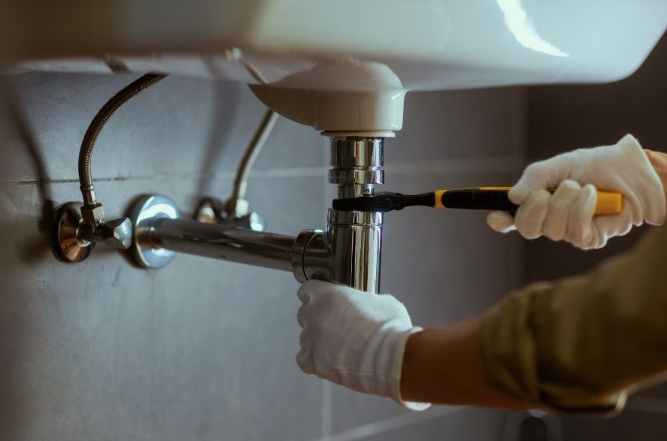
Property maintenance is an important part of protecting homes, commercial buildings, and valuable investments. Among the many risks that can damage a property, termite infestations remain one of the most serious and costly problems worldwide. These small insects can silently weaken structural foundations, damage wooden materials, and create significant repair expenses if left untreated. This is why effective termite control has become essential for both residential and commercial property owners.
Termites often remain hidden for long periods while continuously feeding on wood and cellulose-based materials. Without proper inspection and prevention strategies, infestations can spread quickly and compromise structural safety. Modern pest management solutions now focus on prevention, monitoring, and long-term treatment systems designed to protect properties more effectively.
Many property owners now rely on professional termite management services to prevent structural damage, improve property safety, and maintain long-term building protection.
Why Termites Are a Serious Property Threat
Termites are among the most destructive pests because they can damage wooden structures from the inside without immediate visible signs.
Common Areas Affected by Termites
Termites often target:
- Wooden flooring
- Furniture
- Wall structures
- Roof supports
- Door and window frames
Because infestations can remain hidden, damage may continue for months or even years before being discovered.
Signs of a Termite Infestation
Recognizing early warning signs can help property owners take action before severe damage occurs.
Hollow or Damaged Wood
Wood affected by termites may sound hollow or appear weakened when tapped.
Mud Tubes and Trails
Subterranean termites often create mud tubes to travel safely between nests and food sources.
Discarded Wings
Flying termites may leave behind wings near windows, doors, or light sources after swarming.
Structural Weakness
Severe infestations can cause floors, walls, or wooden structures to weaken over time.
Why Professional Termite Control Is Important
Professional termite management provides stronger and more reliable protection than temporary DIY solutions.
Accurate Inspection and Detection
Pest control professionals use specialized tools and techniques to identify hidden infestations and potential risk areas.
Long-Term Prevention Strategies
Professional services focus not only on removing active termites but also on preventing future infestations.
Property Protection
Effective termite treatment helps preserve structural integrity and reduce costly repair expenses.
Common Types of Termite Treatments
Modern termite management includes several treatment and prevention methods.
Soil Treatment Systems
Chemical barriers are applied around buildings to block termite access and protect structures.
Baiting Systems
Bait stations attract termites and gradually eliminate entire colonies.
Wood Protection Treatments
Protective applications help reduce termite attraction and improve resistance in wooden structures.
Monitoring and Inspection Programs
Regular inspections help detect early activity and reduce the risk of large infestations.
Why Prevention Is Better Than Repair
Preventive termite management is often far more affordable and effective than repairing extensive structural damage.
Reduced Long-Term Costs
Early treatment helps avoid expensive repairs caused by advanced infestations.
Better Property Safety
Maintaining structural integrity helps protect occupants and preserve building stability.
Increased Property Value
Properties with proper pest management systems are often more attractive to buyers and tenants.
The Role of Technology in Modern Pest Control
Technology is improving the effectiveness of termite detection and management systems.
Advanced Inspection Tools
Modern pest control specialists may use moisture meters, thermal imaging, and digital monitoring systems to identify hidden infestations.
Eco-Friendly Treatment Solutions
Many companies now offer environmentally responsible pest control options with lower environmental impact.
Smart Monitoring Systems
Some advanced monitoring solutions allow professionals to track termite activity more efficiently over time.
Why Climate and Environment Affect Termite Activity
Certain environmental conditions can increase the risk of termite infestations.
Warm and Humid Conditions
Termites thrive in warm and moist environments that support colony growth.
Wooden Structures and Moisture
Buildings with untreated wood and excessive moisture are more vulnerable to infestation.
Landscaping and Soil Conditions
Wood debris, poor drainage, and soil contact with structures can increase termite risks.
Important Factors to Consider for Termite Prevention
Property owners should follow several important prevention strategies to reduce infestation risks.
Regular Property Inspections
Routine inspections help detect early termite activity before major damage occurs.
Moisture Control
Reducing water leaks and excess moisture helps create less favorable conditions for termites.
Proper Wood Storage
Wood materials should be stored away from building foundations and elevated from the ground.
Professional Pest Management
Working with experienced pest control professionals improves long-term protection and monitoring.
Why Businesses Also Prioritize Termite Protection
Commercial properties face significant financial and operational risks from termite damage.
Structural Safety Concerns
Termite infestations can compromise building integrity and workplace safety.
Operational Disruptions
Severe pest issues may interrupt business activities and require costly repairs.
Reputation and Compliance
Maintaining clean and well-protected facilities supports business credibility and property standards.
See also: Building a Circular Workplace: A Sustainable Future for Businesses
FAQs
Why are termites dangerous for properties?
Termites can weaken wooden structures and cause extensive hidden damage that may compromise building safety.
How often should termite inspections be done?
Many professionals recommend annual inspections, especially in areas with high termite activity.
Can termite damage be prevented?
Yes, regular inspections, moisture control, and professional treatment systems can significantly reduce infestation risks.
Conclusion
Termite infestations remain one of the most serious threats to residential and commercial properties because of their ability to cause hidden structural damage over time. Professional termite management solutions help protect buildings, preserve property value, and reduce long-term repair costs through effective inspection, treatment, and prevention strategies. Modern pest control technology and monitoring systems continue to improve the efficiency and reliability of termite protection.
Investing in proper termite prevention and professional pest management is essential for maintaining safe, stable, and long-lasting properties. As awareness of property maintenance and structural protection continues to grow, effective termite control remains a critical part of responsible building management and long-term asset preservation.