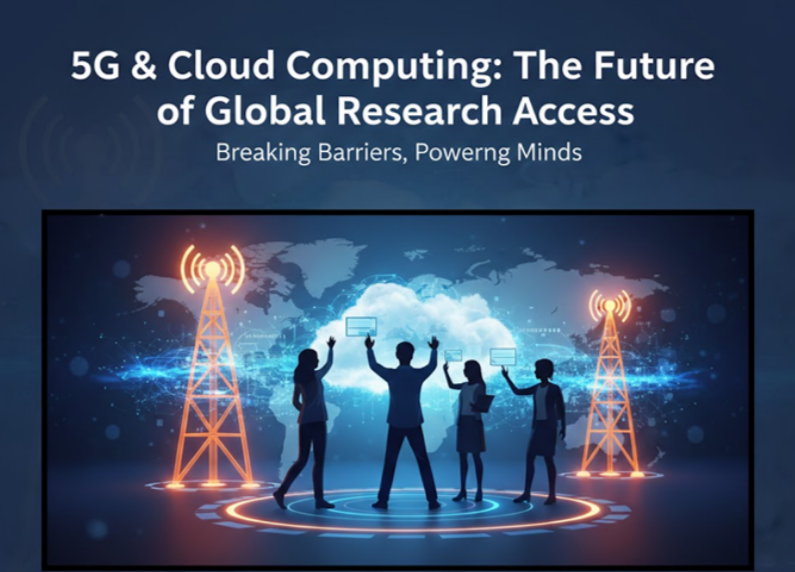
The traditional image of a researcher—huddled in a quiet corner of a massive stone library, surrounded by dusty stacks of paper—is fading fast. In 2026, the laboratory and the library have moved into the digital ether. We are currently witnessing a massive shift in how knowledge is gathered and shared, driven by the powerful combination of 5G connectivity and cloud computing 3.0. This isn’t just about faster internet; it is about the total removal of geographical and technical barriers that once limited who could participate in high-level global research.
For many university students, this evolution has changed the way they approach complex subjects. When a student is struggling with a difficult coding project, they often seek out specialized Computer Science Assignment Help from experts like those at myassignmenthelp, who use these same cloud-based collaboration tools to provide real-time guidance. This synergy between high-speed networks and professional human expertise ensures that even the most complex academic challenges are manageable, regardless of where the student is physically located.
The Speed of Thought: 5G as the New Research Backbone
The primary reason 5G is a game-changer for research is its ultra-low latency. In previous years, “lag” was a major bottleneck for scientists trying to control remote equipment or for students trying to stream high-definition educational simulations. With 5G, data travels at speeds that mimic the human nervous system. This allows for “haptic” research—where a medical student in one country can feel the resistance of a virtual scalpel during a remote surgery simulation hosted on a server thousands of miles away.
This level of connectivity is essential for data-intensive fields. Whether it is analyzing the human genome or processing astronomical data from the James Webb Space Telescope, the “Digital Library” of 2026 is no longer a collection of PDFs. It is a living, breathing ecosystem of real-time data feeds. Students now have the power of a supercomputer in their pockets, allowing them to participate in global research projects from a park bench or a remote village just as easily as they could from an Ivy League campus.
Cloud Computing 3.0: Storage Without Limits
If 5G is the highway, cloud computing is the massive warehouse and engine room. We have moved beyond simple storage into an era of “Edge Computing,” where data is processed closer to the user to save time. For researchers, this means they no longer need to own expensive, high-end hardware. They can “rent” the processing power of a thousand servers for an hour, run a complex simulation, and then shut it down.
When students explore the technical side of these systems, they often find themselves comparing different career paths. A common debate in academic forums today is Cloud Computing vs Software Engineering, as both fields are vital for building the next generation of research tools; while software engineering focuses on the “script” or application, cloud computing builds the “stage” or infrastructure where that code performs.
Overcoming the Digital Divide and Academic Burnout
One of the most heartening aspects of this tech revolution is its impact on digital equity. Previously, the best research tools were locked behind the walls of wealthy institutions. Today, a researcher in a developing nation can access the same cloud-based AI models and datasets as a researcher in London or New York. This leveling of the playing field is crucial for solving global crises like climate change or pandemics, which require diverse perspectives and localized data.
However, this “always-on” access comes with its own set of pressures. The sheer volume of available data can lead to significant academic burnout. Students in 2026 are expected to synthesize more information than any generation before them. This is why the rise of “Anxiety Tech”—apps and platforms designed to help manage the stress of constant connectivity—has become such a vital part of the modern research toolkit.
The Role of Virtual Labs and Real-Time Collaboration
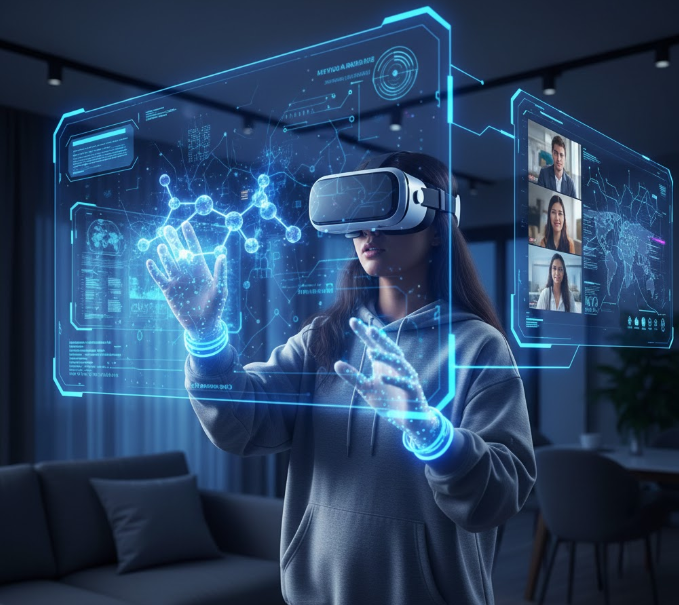
The library of the future isn’t just a place to read; it is a place to do. Virtual labs powered by the cloud allow chemistry students to conduct “explosive” experiments in a safe, digital environment. These labs use 5G to ensure that every student in a group project sees the exact same reaction at the exact same millisecond.
- Virtual Reality (VR) Field Trips: Geology students can walk through a 3D scan of the Grand Canyon.
- Massive IoT Integration: Sensors in real-world environments (like oceans or forests) beam live data directly to a student’s dashboard.
- AI-Driven Literature Reviews: Cloud-based AI can scan 10,000 research papers in seconds to find the three most relevant sentences for a student’s thesis.
A New Standard for Academic Integrity
As we look toward the future, the definition of “research access” will continue to expand. We are moving toward a world where the “Library” is a global consciousness, accessible via 5G and managed by the cloud. While AI tools will help us organize this knowledge, the human element remains the most important part of the equation.
The goal of these technologies is not to replace the student’s mind, but to free it from the mechanical tasks of data retrieval and formatting. By using cloud tools to handle the heavy lifting of data management, researchers can focus on what they do best: asking the big questions and finding the answers that will define the next century.
Summary Table: Research Technology Evolution
| Feature | The 4G / Local Server Era | The 5G / Cloud 3.0 Era (2026) |
| Data Access | Slow downloads, limited to campus Wi-Fi. | Instant streaming of massive datasets anywhere. |
| Hardware | Need for expensive “Lab Computers.” | Any device can access “Cloud Supercomputers.” |
| Collaboration | Emailing files back and forth (Version 1, 2, 3). | Real-time, multi-user editing in 3D spaces. |
| Inclusivity | Top-tier research limited to wealthy nations. | Global access to identical tools and data. |
The journey “Beyond the Library” is just beginning. As 5G becomes the global standard and cloud architecture becomes even more invisible and seamless, the only limit to research will be the boundaries of our own curiosity. Whether you are a computer scientist building these systems or a student using them to finish your dissertation, you are part of a connected network that is rewriting the rules of human knowledge.
Frequently Asked Questions
1. How does 5G differ from older networks in an academic setting?
Unlike previous generations, 5G provides ultra-low latency and significantly higher bandwidth. For researchers, this means the end of “lag” when accessing massive datasets or participating in real-time global video conferences, allowing for a seamless flow of information that was previously impossible.
2. Why is cloud computing essential for modern research?
Cloud computing allows individuals to access high-powered processing and vast storage from any location. This removes the need for expensive on-site hardware, as students can “rent” supercomputing power via the internet to run complex simulations or manage large-scale dissertation data.
3. What is the “Digital Divide,” and how does this technology help?
The digital divide is the gap between those with easy access to technology and those without. 5G and cloud services help bridge this gap by providing researchers in remote or underserved areas the same high-quality tools and academic resources as those in major metropolitan hubs.
4. Can these technologies improve student mental health?
Yes. By reducing the frustration of slow downloads and data loss, these tools decrease technical anxiety. Faster access to support and information helps students manage overwhelming workloads more efficiently, contributing to a more balanced and less stressful academic experience.
About The Author:
Ella Thompson is a dedicated education consultant and academic researcher who specializes in bridging the gap between complex technology and student success. With over a decade of experience in technical writing, Ella provides expert insights and strategic guidance as a lead contributor at MyAssignmentHelp, helping students globally navigate the evolving landscape of modern education.