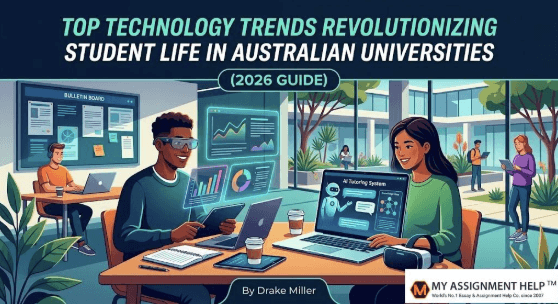
The transition from high school to tertiary education is one of the most significant shifts in a young person’s life. In 2026, this journey is no longer defined just by physical lecture halls and libraries, but by a sophisticated digital ecosystem. Whether you are a Year 12 student navigating your ATAR results, a domestic student entering a Group of Eight (Go8) university, or an international student arriving in Melbourne or Sydney, technology is the silent partner driving your academic success.
This guide explores how technology is simplifying student life across the Australian continent and why mastering these tools is essential for academic survival and career readiness in an increasingly competitive global economy.
Quick Takeaways: How Tech Empowers Australian Students
- Centralized Learning: LMS platforms like Canvas and Moodle act as 24/7 digital campuses.
- AI Integration: Ethically using Agentic AI and LLMs to refine research and structure assignments.
- Flexibility: Hybrid learning models allow for a better balance between study and part-time work.
- Productivity: Digital minimalist tools like Notion and Trello help manage heavy cognitive loads.
- Professional ROI: Developing digital literacy today ensures readiness for the 2027 job market.
The Rise of Digital Learning Platforms
The backbone of the modern Australian university experience is the Learning Management System (LMS). Platforms such as Canvas, Blackboard, and Moodle have evolved from simple file-storage sites into immersive, interactive hubs. For a student at the University of Queensland, Monash, or UNSW, the LMS is where the “real” classroom lives.
These platforms serve as centralized repositories for lecture recordings, interactive modules, and peer discussion boards. For Year 12 graduates transitioning to university, this digital ecosystem reduces the “cultural shock” of higher education. Instead of managing loose papers and heavy textbooks, students have a streamlined, searchable archive of their entire degree at their fingertips. This accessibility is a cornerstone of modern pedagogy, allowing for a “flipped classroom” model where students engage with content online before discussing it in person.
Online Libraries and the Shift in Research
Gone are the days when students spent hours roaming the stacks of physical libraries. Australian institutions now provide world-class access to digital databases like JSTOR, ProQuest, and Google Scholar.
With the integration of Search Engine Optimization (SEO) principles into academic searching, students are learning to use keywords more effectively to find credible, peer-reviewed sources. Referencing tools such as EndNote and Zotero are now essential. These tools don’t just format citations; they act as personal research assistants, ensuring that students meet the rigorous academic integrity standards expected in Australian higher education.
For students who still find research overwhelming, seeking structured help with coursework can make the process more manageable while improving overall academic performance. In 2026, being able to navigate these databases is a core competency that directly impacts a student’s Weighted Average Mark (WAM).
Agentic AI and the Future of Academic Assistance
The conversation has moved beyond simple chatbots. Agentic AI—AI that can plan, execute, and refine tasks—is becoming a mainstay in student workflows. Australian universities are at the forefront of teaching “Agentic Literacy,” helping students understand how to use Large Language Models (LLMs) ethically.
Students use AI to:
- Synthesize complex data: Breaking down dense theoretical physics or legal precedents into digestible summaries.
- Overcome “Blank Page” Syndrome: Using AI to brainstorm structures and outlines for essays without sacrificing original thought.
- Language Support: Helping international students bridge the gap between their native language and Australian academic English.
While AI is a powerful ally, the human element remains irreplaceable. Myassignmenthelp can complement these tools by offering expert academic insights and personalized guidance that go beyond automated outputs. Professional academic support frameworks help students navigate these digital shifts effectively, providing the nuance and critical thinking that an algorithm might miss.
Smart Study Tools: A Comparison for Productivity
Effective time management is the difference between burnout and a Distinction. Modern students are building “Tech Stacks” designed to manage their cognitive load.
| Tool Type | Popular Examples | Purpose in Australian Uni Life |
| Organization | Notion, Obsidian | Building a “Second Brain” for notes and research. |
| Project Management | Trello, Asana | Coordinating group projects across different time zones. |
| Writing & Editing | Grammarly, QuillBot | Refining tone and ensuring grammatical precision. |
| Focus | Forest, Cold Turkey | Combating digital distractions during deep work sessions. |
Virtual Classrooms and the Hybrid Model
The “standard” 9-to-5 campus schedule is a thing of the past. Hybrid learning allows students to attend a seminar at the University of Melbourne via Zoom or Microsoft Teams while maintaining a part-time job or internship.
This flexibility is particularly vital for international students who may be adjusting to the Australian lifestyle while managing a rigorous study load. Features like real-time polling, breakout rooms, and recorded “rewatchable” lectures ensure that no student is left behind, regardless of their physical location. This model supports the Universal Design for Learning (UDL), making education more inclusive for students with diverse learning needs.
Easier Assignment Management and the “Paperless” Campus
The administrative burden of being a student has nearly vanished. Through platforms like Turnitin, the submission process is now instantaneous and paperless.
- Immediate Feedback: Digital grading allows lecturers to provide voice-recorded or annotated feedback that students can access on their phones.
- Deadline Transparency: Integrated calendars sync assignment dates directly to a student’s smartphone, reducing the risk of missed submissions.
- Academic Integrity: Automated plagiarism checks help students learn the boundaries of proper attribution and citation early in their academic careers.
Communication, Collaboration, and the Global Network
Education is a social endeavor. Modern technology facilitates collaboration that mirrors the professional world. Tools like Slack and Discord have replaced messy email chains for group assignments.
For students living off-campus or in regional Australia, these digital communities provide a sense of belonging. They allow for the rapid exchange of ideas, peer-to-peer tutoring, and the formation of study groups that aren’t restricted by geography. This “digital campus” is essential for networking, which is just as important as the degree itself in the Australian job market.
Support for International Students
Australia remains a top destination for global talent, and technology acts as a bridge for these students. Translation apps, virtual campus tours, and specialized orientation apps help students from across the globe feel at home before they even land.
Moreover, access to tailored academic support ensures that differences in grading standards (like moving from a GPA system to the WAM/7.0 scale) do not hinder a student’s progress. Technology ensures that language barriers or unfamiliar academic formats do not become roadblocks to success.
Career Preparation: From Classroom to the 2027 Job Market
Universities are now integrating LinkedIn Learning and virtual internship simulations into their curricula. By the time an Australian student graduates, they have not only a degree but a digital portfolio that demonstrates their expertise.
The ROI of Writing and digital literacy is clear: employers in 2027 are looking for graduates who can navigate complex software, communicate across digital platforms, and leverage AI responsibly. Technology is no longer an “extra”—it is the foundation of professional competency.
The Role of Professional Academic Support
Despite the abundance of tech, students often face “information overload.” The sheer volume of resources can lead to cognitive fatigue and analysis paralysis. This is where structured guidance from academic support services becomes invaluable.
Myassignmenthelp.services offers a human-centric approach to supplement digital tools. By providing expert insights into assignment requirements and helping students refine their writing style, these services empower students to achieve better outcomes. When used responsibly, these services act as learning aids that help students master the “Agentic AI” workflow rather than just looking for shortcuts.
See also: Cyber Security HK: Protecting Your Digital Assets
Challenges: Navigating the Digital Fatigue
To succeed, students must also learn to disconnect. The “Dark Side” of technology includes:
- Digital Distraction: The constant pull of social media and notifications.
- Over-reliance: Using AI as a substitute for learning rather than a supplement.
- Fatigue: The mental strain of excessive screen time.
Successful Australian students practice Digital Minimalism, setting boundaries to ensure technology remains a tool, not a master. This involves time-blocking and using the Pomodoro Technique to maintain focus.
Conclusion: Embracing the Future
The future of student life in Australia is bright, powered by innovations like Virtual Reality (VR) labs and Augmented Reality (AR) simulations that bring complex medical or engineering concepts to life.
By combining the latest technology with disciplined study habits—and seeking professional guidance when needed—students can turn the challenges of university life into a streamlined path toward success. As you begin your journey in the Australian academic landscape, let technology be the wind in your sails, helping you achieve your goals with confidence, clarity, and the digital skills required for the future of work.
Frequently Asked Questions
Q.1 How can high school students prepare for the digital shift in Australian universities?
The transition is smoother if students familiarize themselves with Learning Management Systems (LMS) early. Many Year 12 students can practice by using Google Classroom or Microsoft Teams. Additionally, developing a basic understanding of digital referencing (APA or Harvard style) and mastering “Deep Work” habits will help manage the increased self-study load expected at the university level.
Q.2 What are the best free tech tools for Australian university students?
Many universities provide free access to premium software. Most students can get Microsoft 365 and Adobe Creative Cloud for free through their institutional email. For organization, the free versions of Notion and Zotero are industry standards. Additionally, the Canvas Student app is essential for tracking deadlines on the go.
Q.3 How do international students manage the difference in academic standards?
International students often face a shift in grading scales (e.g., moving to the 7.0 scale or WAM). Technology helps through language-support tools and virtual orientation programs. Seeking early feedback through academic help from Myassignmenthelp.services can also help students align their writing style with Australian expectations, ensuring they meet the specific marking rubrics used locally.
Q.4 Can technology help with the cost of living for students in Australia?
Yes. Digital literacy allows students to access “Gig Economy” opportunities and virtual internships that offer flexible income. Furthermore, using budgeting apps like Pocketbook or student-specific discount platforms like UNiDAYS can help students manage their finances in expensive cities like Sydney or Melbourne.
Final Word from the Author
As we navigate the complexities of the 2026 academic landscape, it is clear that the students who thrive are those who see technology as an extension of their own capabilities. By staying curious, practicing digital minimalism, and leveraging professional support when needed, your time at an Australian university can be both productive and transformative.
About the Author: Drake Miller
I am a passionate blog author associated with Myassignmenthelp.services, dedicated to creating informative and engaging content for students worldwide. My writing focuses on academic success, study strategies, and practical learning tips across various subjects. With a commitment to clarity and originality, I aim to simplify complex concepts and support learners in achieving their academic goals with confidence and ease through well-researched, student-friendly content.