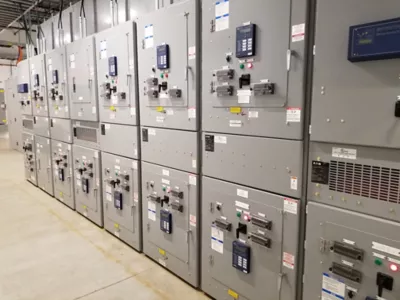
Modern power systems rely on precision, safety, and reliability to deliver electricity across industries, cities, and infrastructure. At the heart of this complex network lies medium voltage switchgear, a critical component that ensures electrical systems operate efficiently while protecting equipment and personnel from faults. As energy demand continues to grow and systems become more interconnected, the role of advanced switch gear systems has never been more important.
Understanding Medium Voltage Switchgear
Medium voltage switchgear refers to electrical equipment designed to control, protect, and isolate electrical circuits operating within a voltage range typically between 1 kV and 52 kV. This range sits between low voltage systems used in residential settings and high voltage systems used for long-distance transmission.
The primary purpose of medium voltage switchgear is to manage the flow of electricity safely and efficiently. It allows operators to switch circuits on or off, isolate faulty sections, and protect equipment from damage caused by overloads, short circuits, or other electrical faults.
These systems are widely used in power distribution networks, industrial facilities, commercial buildings, and renewable energy installations. Without reliable switchgear, maintaining stability and safety in electrical systems would be nearly impossible.
Core Functions of Switchgear Systems
To understand why switch gear systems are essential, it is important to examine their core functions. These systems are designed to perform multiple roles simultaneously, ensuring uninterrupted and safe operation of electrical networks.
Control of Electrical Circuits
One of the primary functions of medium voltage switchgear is to control the flow of electricity. Operators can use switchgear to energize or de-energize circuits as needed. This is essential during maintenance, system upgrades, or emergency situations.
Protection Against Electrical Faults
Electrical faults such as short circuits or overloads can cause severe damage to equipment and pose safety risks. Switchgear detects these faults and automatically disconnects the affected section of the circuit.
This protective function prevents:
- Equipment damage
- Electrical fires
- System-wide failures
Isolation for Maintenance and Safety
Switchgear allows specific parts of a system to be isolated without shutting down the entire network. This capability is crucial for maintenance work, as it ensures technicians can safely access equipment without exposure to live electrical currents.
Key Components of Medium Voltage Switchgear
A typical medium voltage switchgear system consists of several interconnected components, each playing a specific role in ensuring safe and efficient operation.
Circuit Breakers
Circuit breakers are the most critical component. They interrupt the flow of electricity during faults, protecting the system from damage.
Disconnect Switches
These switches are used to isolate sections of the electrical network. They ensure that circuits are completely de-energized before maintenance begins.
Protective Relays
Protective relays monitor electrical parameters such as current and voltage. When abnormalities are detected, they signal circuit breakers to trip.
Busbars
Busbars are conductive elements that distribute power within the switchgear assembly. They connect incoming and outgoing circuits.
Instrument Transformers
These devices measure current and voltage levels, providing accurate data for monitoring and protection systems.
See also: Common Mistakes Small Businesses Make in Local Listings
Types of Medium Voltage Switchgear
There are different types of switch gear systems, each designed for specific applications and environments.
Air-Insulated Switchgear (AIS)
Air-insulated switchgear uses air as the primary insulation medium. It is commonly used in outdoor installations and requires more space compared to other types.
Gas-Insulated Switchgear (GIS)
Gas-insulated switchgear uses insulating gas, typically SF6, to provide superior insulation. GIS systems are compact and ideal for environments where space is limited, such as urban areas or indoor facilities.
Metal-Enclosed Switchgear
Metal-enclosed switchgear is designed with protective enclosures that enhance safety and protect internal components from environmental factors. It is widely used in industrial settings.
Importance of Medium Voltage Switchgear in Power Systems
The significance of medium voltage switchgear extends beyond basic functionality. It plays a vital role in ensuring the stability and efficiency of modern power systems.
Enhancing System Reliability
Reliable power distribution is essential for industries, businesses, and households. Switchgear ensures that faults are quickly isolated, preventing widespread outages and maintaining system stability.
Improving Safety
Electrical systems can be dangerous if not properly managed. Switch gear systems provide multiple layers of protection, reducing the risk of accidents and ensuring safe operation for personnel.
Supporting Efficient Power Distribution
Switchgear enables efficient routing and distribution of electricity across networks. It ensures that power reaches its destination with minimal losses and interruptions.
Applications in Industrial Plants
Industrial facilities rely heavily on medium voltage switchgear to manage their electrical systems. Manufacturing plants, refineries, and processing units require consistent and reliable power to maintain operations.
In these environments, switchgear is used to:
- Control heavy machinery
- Protect sensitive equipment
- Manage power distribution across different sections
Any disruption in power can lead to production losses and financial setbacks, making reliable switchgear essential.
Role in Utility and Power Distribution Networks
Utility companies use switch gear systems to distribute electricity from substations to end users. Medium voltage switchgear acts as a bridge between high voltage transmission systems and low voltage distribution networks.
It helps utilities:
- Manage load distribution
- Isolate faults quickly
- Maintain uninterrupted power supply
As energy demand grows, utilities depend on advanced switchgear to handle increasing loads and maintain grid stability. In deregulated markets like Texas, this reliable infrastructure allows retail providers such as txu energy plans to deliver consistent service to residential and business customers alike.
Importance in Renewable Energy Systems
Renewable energy sources such as solar and wind are becoming a significant part of modern power systems. These systems require efficient integration into existing grids, which is where medium voltage switchgear plays a key role.
In renewable energy installations, switchgear is used to:
- Connect power generation units to the grid
- Manage fluctuations in energy output
- Protect equipment from electrical faults
Switchgear ensures that renewable energy systems operate smoothly and contribute reliably to the overall power supply.
Challenges Addressed by Modern Switchgear Systems
As power systems become more complex, switch gear systems must address several challenges.
Increasing Energy Demand
Growing populations and industrialization are driving higher energy consumption. Switchgear must handle larger loads while maintaining efficiency and reliability.
Integration of Smart Technologies
Modern power systems are becoming smarter, with digital monitoring and automation. Advanced switchgear integrates with these technologies to provide real-time data and improved control.
Environmental Considerations
Sustainability is becoming a priority in the energy sector. Manufacturers are developing eco-friendly switchgear solutions that reduce environmental impact while maintaining performance.
Future of Medium Voltage Switchgear
The future of medium voltage switchgear is shaped by innovation and evolving energy needs. Key trends include:
- Smart switchgear with IoT-enabled monitoring
- Compact and modular designs
- Improved safety features such as arc-resistant systems
- Integration with renewable energy and smart grids
These advancements are transforming switch gear systems into intelligent solutions that enhance efficiency, reliability, and sustainability.
Conclusion
Medium voltage switchgear is a cornerstone of modern electrical infrastructure. Operating within the critical range of 1 kV to 52 kV, it ensures the safe, reliable, and efficient distribution of electricity across various sectors.
From industrial plants to utility networks and renewable energy systems, medium voltage switchgear plays a vital role in controlling power flow, protecting equipment, and maintaining system stability. As energy systems continue to evolve, the importance of advanced switch gear systems will only grow.
By enabling safe operations and supporting the expanding demands of modern power networks, medium voltage switchgear remains an indispensable component in building a reliable and sustainable energy future.