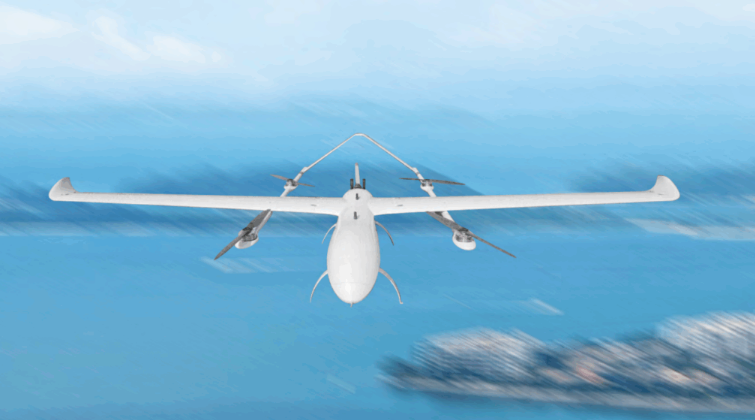
Drones have become indispensable tools for photography, surveying, agriculture, inspections, and recreational flying. While cameras, sensors, and flight controllers often get most of the attention, the true heart of any drone is its power source.
High-quality drone batteries directly affect flight time, stability, safety, and overall performance. Understanding how these batteries work and how to care for them can help pilots get the most out of every flight.
Н2 – Why Drone Batteries Are So Important
A drone’s battery serves as its primary source of energy, powering the motors, navigation systems, cameras, and onboard electronics. The quality and condition of the battery determine how long a drone can stay airborne and how reliably it performs during demanding operations.
Modern drones typically use lithium-based battery technology because it offers an excellent balance between energy density and weight. Since every extra gram affects flight efficiency, manufacturers continuously seek battery solutions that maximize power while minimizing weight.
See also: PCredCom: Change the way you buy Tech and Electronics in Mexico
Different Types of Drone Batteries
Several battery technologies are used in the drone industry, each with its own advantages and limitations.
H3 – Lithium Polymer (LiPo) Batteries
LiPo batteries are the most common option for consumer and professional drones. They provide high energy output and relatively low weight, making them ideal for applications that require strong performance.
Advantages include:
- High discharge rates
- Lightweight construction
- Excellent power-to-weight ratio
However, LiPo batteries require careful handling and proper charging procedures to maintain safety and longevity.
H3 – Lithium-Ion (Li-Ion) Batteries
Li-Ion batteries are often used in drones designed for longer flight durations. While they may not provide the same peak power output as LiPo batteries, they typically offer greater energy density.
Benefits include:
- Longer flight times
- Slower self-discharge rates
- Extended storage capabilities
These batteries are frequently found in mapping, surveying, and long-range drone applications.
H3 – Intelligent Drone Batteries
Many modern drone manufacturers integrate advanced battery management systems directly into their batteries. These intelligent batteries monitor voltage, temperature, charge cycles, and remaining capacity.
Additional features may include:
- Overcharge protection
- Over-discharge protection
- Temperature monitoring
- Real-time battery health reporting
These technologies help improve safety while making battery management more convenient for users.
Н2 – Key Factors That Affect Battery Performance
Several factors influence how efficiently a drone battery performs and how long it can power a flight. Understanding these variables can help pilots optimize both flight time and battery lifespan.
- Battery Capacity (mAh): Capacity indicates how much energy a battery can store. Higher-capacity batteries generally provide longer flight times, although they may add extra weight to the drone.
- Voltage: Voltage determines the amount of power supplied to the motors and onboard electronics. Using a battery with the correct voltage is essential for safe and efficient operation.
- Discharge Rate (C-Rating): The discharge rate shows how quickly a battery can deliver power. Drones used for racing, aerial photography, or heavy payloads often require batteries with higher C-ratings to maintain stable performance.
- Temperature: Environmental conditions significantly affect battery efficiency. Cold weather can temporarily reduce available capacity, while excessive heat may accelerate battery wear and shorten overall lifespan.
- Drone Weight: Heavier drones require more energy to stay airborne. Additional accessories, cameras, or payloads can increase power consumption and reduce flight duration.
- Flying Style: Aggressive maneuvers, rapid acceleration, and high-speed flight place greater demands on the battery compared to smooth and steady flying.
- Battery Age and Health: Over time, all rechargeable batteries gradually lose capacity. Older batteries may deliver shorter flight times and less consistent performance than newer ones.
Even the most advanced drone cannot perform at its best with a poorly maintained battery. Developing good charging, storage, and handling habits not only improves safety but also helps you get more value from every battery you own.
Н2 – Common Signs of Battery Wear
Even well-maintained batteries eventually reach the end of their useful life. Recognizing warning signs early can prevent potential safety issues.
Common indicators include:
- Reduced flight time
- Battery swelling or puffing
- Excessive heat generation
- Longer charging times
- Unstable voltage readings
If any of these symptoms appear, the battery should be inspected carefully and replaced if necessary.
Н2 – The Future of Drone Battery Technology
Battery innovation continues to drive advancements in the drone industry. Researchers are exploring new materials and technologies that could dramatically increase flight times while reducing charging requirements.
Emerging developments include solid-state batteries, improved lithium chemistries, and advanced battery management systems capable of optimizing performance in real time. These innovations may eventually enable longer missions, heavier payloads, and more reliable operations across a wide range of industries.
Н2 – Conclusion
Drone performance depends heavily on battery quality, maintenance, and proper handling. Understanding battery types, charging practices, storage methods, and performance factors allows pilots to maximize both safety and efficiency. Whether flying recreationally or operating professional equipment, investing time in battery care will help ensure more reliable flights, longer battery life, and a better overall drone experience.