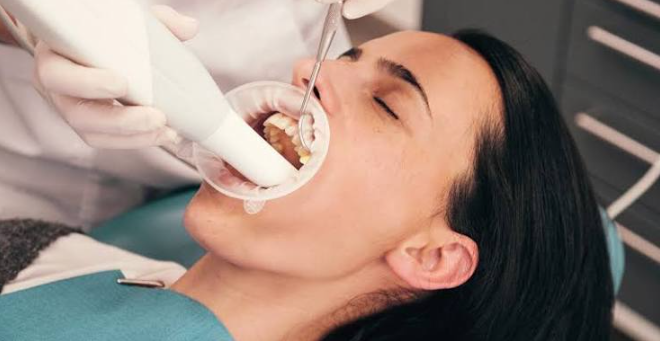
You may have noticed it slowly. Cold water stings more than it used to. The edges of a front tooth look flatter. Coffee, stress, hard brushing, even a habit of chewing ice can leave marks that are easy to ignore until your teeth start feeling different. That is often how everyday wear shows up, and a dentist in Plymouth, MI can help catch it early. It builds quietly, then suddenly feels expensive, painful, or hard to reverse.
A general dentist helps catch those changes early, before small signs turn into cracked enamel, deeper sensitivity, and bigger treatment needs. How General Dentists Help Protect Teeth From Everyday Wear comes down to something simple. They look for the cause, measure the damage, and give you realistic ways to slow it down and protect what you still have.
Everyday tooth wear often starts long before it hurts
Teeth are strong, but they are not indestructible. Daily wear usually happens through a mix of friction, pressure, and acid exposure. Grinding at night can flatten biting surfaces. Aggressive brushing can wear away tooth structure near the gumline. Frequent acidic drinks can soften enamel, making it easier to lose over time. The University of Bristol’s overview of tooth wear explains how erosion, attrition, and abrasion each play a role.
This is where people often get stuck. They assume wear is just part of getting older, or they wait because the problem does not seem urgent. Then sensitivity starts. A sip of something cold feels sharp. Brushing one spot becomes uncomfortable. According to UAB Dentistry’s patient education on sudden tooth sensitivity, worn enamel and exposed dentin are common reasons teeth begin reacting to temperature or touch.
That discomfort matters, but the bigger issue is progression. Enamel does not grow back. Once wear exposes deeper layers, your dentist has fewer simple options. A minor bite adjustment or fluoride plan can turn into bonding, crowns, or treatment for cracked teeth if the cause keeps going unchecked.
See also: Top Technology Trends Revolutionizing Student Life in Australian Universities (2026 Guide)
General dental care protects teeth by finding the cause, not just the symptom
People usually focus on what they can feel. Sensitivity. Rough edges. A tooth that looks shorter. Your dentist looks at the pattern. Wear on the back teeth may point to grinding or clenching. Notches near the gums may suggest brushing habits or acid damage. Smooth, cupped-out areas can signal dietary erosion or reflux. That pattern matters because the wrong fix does not fix anything.
A night guard helps if you grind. It does not solve damage from sipping sports drinks all day. Sensitive toothpaste may ease pain, but it will not stop wear caused by a hard-bristled brush and heavy hand pressure. This is why preventive dental care for tooth wear is less about one product and more about matching treatment to the real source.
Your dentist may also spot things you would not connect to tooth wear at all. Stress. Dry mouth from medication. A bite that puts extra force on one tooth. Acid reflux. These are everyday issues, yet they can change your mouth fast. The National Institute of Dental and Craniofacial Research report on oral health in America shows how oral health is tied closely to overall health, access to care, and long term disease prevention.
Protecting teeth from wear is easier and less costly in the early stages
When wear is mild, treatment is often conservative. Your dentist may recommend fluoride, desensitizing products, a softer brushing technique, diet changes, bite monitoring, or a custom night guard. If a tooth already has structural loss, bonding can sometimes rebuild shape and protect the area. More advanced wear may need crowns or other restorative care to restore function and reduce the risk of fracture.
The cost difference can be hard to ignore. A few small habit changes and a preventive appliance are usually easier than repairing multiple damaged teeth. There is also the emotional side. Ongoing sensitivity wears people down. So does worrying every time you bite into something crunchy. Tooth wear treatment from a general dentist is often about preserving comfort as much as preserving enamel.
DIY habits and professional care do not offer the same protection
| Approach | What It Can Help With | Limits |
|---|---|---|
| Switching to a soft toothbrush | Reduces brushing-related abrasion near the gums | Does not address grinding, bite stress, or acid erosion |
| Sensitive toothpaste | Can lower discomfort from exposed dentin | May mask symptoms while wear continues |
| Avoiding frequent acidic drinks | Helps reduce enamel softening and erosion | Does not repair existing damage |
| Store bought night guard | May offer some short term cushioning | Fit can be poor and may not manage bite forces well |
| General dentist evaluation | Identifies the cause, tracks wear, and creates a targeted plan | Requires an exam and follow through |
Small changes now can prevent bigger repairs later
1. Pay attention to patterns.
If sensitivity is new, if front teeth look shorter, or if one area always feels rough, do not brush past it and hope for the best. Notice when it happens. Cold drinks, mornings, chewing, and stress are useful clues.
2. Reduce the most common daily triggers.
Use a soft toothbrush, lighten your brushing pressure, and avoid brushing right after acidic drinks or vomiting, when enamel is softer. Cut down on habits like chewing ice, biting pens, or sipping soda and energy drinks over long periods.
3. Schedule a general dental exam before the damage deepens.
A routine exam can reveal whether the issue is erosion, grinding, abrasion, or a mix of causes. That is the difference between guessing and protecting your teeth with a plan that fits your mouth.
General dentists help preserve the teeth you have
Everyday wear can feel minor until it starts changing how you eat, drink, and smile. You are not overreacting if your teeth feel more sensitive or look different. Those small changes are often the first clear warning. A general dentist can spot wear early, explain what is causing it, and help you protect your enamel before simple problems become bigger ones. If you have noticed signs of wear, sensitivity, or grinding, schedule a dental visit and get clear answers while the fix is still straightforward.