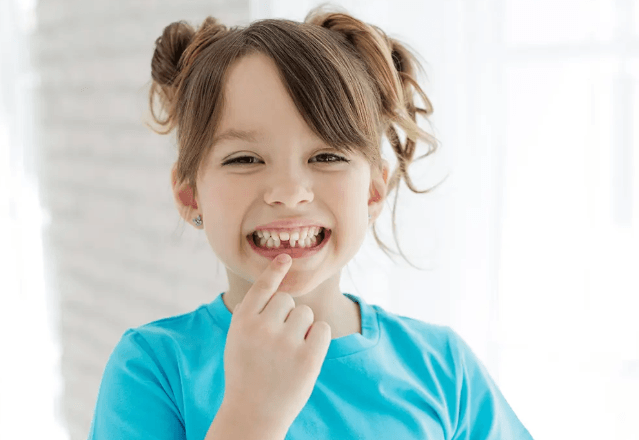
You notice the little things first. A sound that comes out blurred. A word your child avoids. A thumb that still finds its way into their mouth at bedtime. Maybe a teacher mentioned speech clarity, or maybe you have been wondering for months if their teeth, bite, or mouth habits are part of the problem. That uncertainty can sit in your chest longer than you expect, because speech feels tied to everything, confidence, school, friendships, even the simple joy of being understood. At a Greenbelt pediatric dental office, those concerns can be part of a larger conversation about your child’s development.
The link between oral health and speech is real. Teeth help guide the tongue and lips to form sounds, jaw growth affects how the mouth works, and pain or missing teeth can change the way a child speaks. The connection between pediatric dentistry and healthy speech development is not about blame. It is about catching issues early, protecting oral development, and giving your child the best chance to speak clearly and comfortably.
Pediatric dentistry supports speech by shaping how the mouth functions
Speech is physical. A child uses the tongue, lips, teeth, palate, and jaw in fast, precise patterns. When one part is off, sounds can change. Front teeth matter for sounds like s, z, f, and v. The tongue often touches or moves close to the teeth for t, d, n, and l. If teeth are missing too early, crowded, or far out of place, the mouth may compensate in ways that affect clarity.
A pediatric dentist looks at more than cavities. They check how the teeth come in, how the bite fits together, whether there are habits like thumb sucking or long term pacifier use, and whether pain is making your child avoid chewing or speaking normally. These details may seem separate when you are living through them day to day, but they often connect.
Thumb sucking is a common example. Many children outgrow it without lasting problems. Some do not. If the habit continues, it can push the front teeth forward and change the shape of the bite. That may lead to a lisp or trouble with tongue placement. The same goes for untreated tooth decay. A child with mouth pain may speak less, eat differently, sleep poorly, and struggle to practice sounds in a relaxed way.
The science behind this is straightforward. The National Institute on Deafness and Other Communication Disorders explains speech and language development as a process that depends on the coordinated use of oral structures and hearing, along with learning and practice. Oral structures do not work in isolation, but they do matter.
Oral health problems can quietly affect confidence, learning, and speech habits
Children adapt fast. That is helpful, but it can also hide a problem. A child with dental discomfort may chew on one side, keep their mouth slightly open, or avoid words that feel hard to say. Another child may get used to an overbite or open bite and build speech habits around it. You may hear people say they will grow out of it. Sometimes they do. Sometimes the pattern settles in and gets harder to correct later.
Early tooth loss can also change speech. Baby teeth hold space and support sound production during key years. According to MedlinePlus information on delayed speech and language development, speech concerns can have many causes, which is why a broad evaluation matters. Dental structure is one piece of that larger picture. If your child is already working with a speech therapist, dental findings can add useful context instead of competing with it.
This is where oral health and speech development in children becomes more than a phrase. It is a practical issue. A child who cannot produce sounds clearly may feel embarrassed in class. A child who is teased about the way they speak may stop raising their hand. The earlier you spot the source, the easier it is to support both function and confidence.
Healthy baby teeth and bite development give speech a better foundation
Good daily care supports more than a clean smile. Strong baby teeth help children chew, sleep, and speak with less discomfort. Regular dental visits also create a timeline. A dentist can see whether teeth are erupting on schedule, whether spacing looks normal, and whether jaw growth or bite alignment needs monitoring.
The CDC oral health tips for children stress brushing with fluoride toothpaste, healthy eating habits, and regular dental care. Those basics matter because prevention is easier than repair, and repair after a problem has affected speech can involve more time, more expense, and more stress.
| Dental issue | How it can affect speech | What early care may help with |
|---|---|---|
| Prolonged thumb sucking or pacifier use | Can shift front teeth and affect tongue placement, which may lead to lisps or distorted sounds | Monitoring habits, bite changes, and timing for intervention |
| Untreated cavities or tooth pain | May reduce speaking, alter mouth movement, and make sound practice harder | Pain relief, restoration, and prevention of further damage |
| Early loss of baby teeth | Can change airflow and tongue contact for certain sounds | Space management and guidance on speech related changes |
| Open bite, crossbite, or severe crowding | May interfere with clear production of s, z, t, d, f, and v sounds | Growth monitoring and referral when orthodontic care is needed |
Small steps now can protect pediatric oral health and speech development
Schedule a dental evaluation when speech concerns and oral changes overlap. If you notice unclear sounds along with thumb sucking, mouth breathing, visible bite changes, frequent cavities, or early tooth loss, get both looked at. A dentist can identify whether the mouth structure is contributing to the issue.
Track what you are seeing at home. Write down which sounds seem hard, when the issue started, and whether your child has pain, snores, breathes through the mouth, or avoids certain foods. Patterns help. If speech becomes less clear after a dental injury or after losing front teeth early, mention that directly.
Build a team when needed. Some children need only routine dental care and habit support. Others benefit from both a dentist and a speech language pathologist. That is not overreacting. It is efficient. One professional can address structure and oral health, while the other works on sound production and speech habits.
Your child does not need a perfect smile to develop clear speech, but they do need a mouth that is healthy, comfortable, and working the way it should. Pediatric dentistry and speech development are closely linked for that reason. When you act early, you give your child support that reaches beyond teeth and into daily life, learning, and confidence.
If you have noticed speech changes, bite concerns, or ongoing oral habits, schedule a visit with a pediatric dentist and get a clear picture of what is going on.