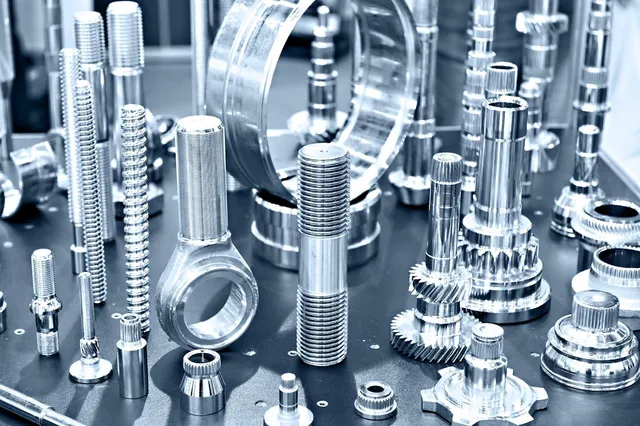
In modern manufacturing and industrial production, machine tools are the backbone of precision, speed, and efficiency. Whether it is CNC machines, milling machines, lathes, grinders, or drilling systems, these tools operate continuously under heavy workloads. Over time, wear and tear are inevitable, making spare parts an essential requirement for maintaining performance.
Finding reliable machining spare parts is not just about swapping out a damaged part—it’s about keeping machines running smoothly, safely, and efficiently over the long term. Using low-quality or incorrect parts can easily cause breakdowns, slow down production, and lead to expensive repairs. This guide shows how industries can choose dependable spare parts for machine tools and keep their operations running without interruptions.
Understanding the Importance of Machine Tool Spare Parts
Machine tools consist of many mechanical, electrical, and hydraulic components working together. When even a single part fails, it can affect the entire system.
Spare parts are required to:
- Restore machine functionality
- Maintain precision and accuracy
- Prevent production downtime
- Extend machine lifespan
- Improve operational safety
Because machine tools are often used in high-precision industries like automotive, aerospace, and metal fabrication, the quality of replacement parts directly impacts product output.
Common Machine Tool Spare Parts
Different machines require different types of spare components. Understanding these parts helps businesses identify what they need when maintenance is required.
Mechanical Components
These include:
- Gears
- Bearings
- Shafts
- Couplings
- Spindles
Mechanical parts are often exposed to continuous friction and stress, making them highly prone to wear.
Electrical Components
Machine tools rely on electrical systems for control and operation:
- Motors
- Sensors
- Switches
- Control panels
- Circuit boards
Faulty electrical components can cause system failures or inaccurate machining results.
Hydraulic and Pneumatic Parts
Many industrial machines use fluid or air pressure systems:
- Hydraulic pumps
- Valves
- Cylinders
- Seals
These components must be replaced with precision-engineered parts to maintain pressure stability.
Cutting and Tooling Parts
These directly affect machining performance:
- Drill bits
- Cutting tools
- Tool holders
- Inserts
High-quality tooling ensures accuracy, smooth finishes, and longer tool life.
Challenges in Finding Reliable Machining Spare Parts
Sourcing spare parts is not always straightforward. Many industries face challenges when trying to find suitable replacements.
Availability Issues
Older machines may require discontinued or hard-to-find parts. This can delay repairs and affect production schedules.
Quality Concerns
Low-quality aftermarket parts may not meet original specifications. These parts often wear out quickly or cause machine damage.
Compatibility Problems
Even small differences in size, material, or design can affect machine performance. Incorrect parts may lead to misalignment or mechanical failure.
Counterfeit Products
The industrial market sometimes includes counterfeit or substandard parts that look similar to genuine components but fail under stress.
How to Identify Reliable Spare Parts Suppliers
Choosing the right supplier is one of the most important steps in maintaining machine tools. A reliable supplier ensures consistent quality and technical support.
Check Industry Experience
Suppliers with strong experience in industrial machinery are more likely to understand technical requirements and provide accurate parts.
Verify Product Quality Standards
High-quality spare parts should comply with industry standards such as ISO certifications or OEM specifications.
Evaluate Inventory Range
A good supplier should offer a wide range of machining spare parts to support different machine models and industries.
Look for Technical Support
Reliable suppliers provide assistance in selecting the correct part, installation guidance, and troubleshooting support.
Read Customer Feedback
Reviews and industry reputation can provide insight into the reliability and service quality of a supplier.
OEM vs Aftermarket Spare Parts
When sourcing spare parts, industries often choose between OEM (Original Equipment Manufacturer) and aftermarket components.
OEM Spare Parts
OEM parts are made by the original machine manufacturer.
Advantages:
- Perfect compatibility
- High reliability
- Long service life
Disadvantages:
- Higher cost
- Limited availability for older machines
Aftermarket Spare Parts
These are produced by third-party manufacturers.
Advantages:
- More affordable
- Widely available
- Faster supply options
Disadvantages:
- Variable quality
- Possible compatibility issues
Choosing between OEM and aftermarket depends on budget, machine criticality, and operational requirements.
Importance of Material Quality in Spare Parts
Material selection plays a key role in the performance of machine tool components. High-quality materials ensure durability and precision.
Common materials include:
- Hardened steel for gears and shafts
- Carbide for cutting tools
- Aluminum alloys for lightweight components
- High-grade polymers for seals and insulation
Poor material quality can lead to faster wear, overheating, or structural failure.
See also: Common Mistakes Small Businesses Make in Local Listings
Role of Preventive Maintenance in Spare Parts Management
Preventive maintenance helps industries reduce unexpected machine breakdowns. By regularly inspecting machines, companies can identify worn-out parts before they fail completely.
Benefits include:
- Reduced downtime
- Lower repair costs
- Improved machine efficiency
- Better inventory planning
A well-planned maintenance schedule ensures spare parts are replaced at the right time.
Inventory Management for Spare Parts
Efficient inventory management is crucial for industries relying on continuous production.
Best practices include:
- Keeping critical spare parts in stock
- Monitoring usage patterns
- Using digital tracking systems
- Partnering with reliable suppliers for fast delivery
Proper inventory control reduces emergency procurement and production delays.
How Technology is Improving Spare Parts Supply Chains
Modern technology has improved how industries source and manage machining spare parts.
Digital Catalogs
Online catalogs allow companies to quickly find compatible parts based on machine models.
Predictive Maintenance Systems
Sensors and IoT devices monitor machine health and predict when parts will fail.
Automated Ordering Systems
Some industries use automated systems that reorder parts when inventory drops below a certain level.
These advancements reduce downtime and improve operational efficiency.
Cost Considerations When Buying Spare Parts
While cost is an important factor, choosing the cheapest option is not always the best decision. Poor-quality parts can lead to higher long-term expenses due to frequent replacements and machine damage.
Industries should balance:
- Initial cost
- Quality and durability
- Machine criticality
- Supplier reliability
Investing in high-quality parts often results in better long-term savings.
Conclusion
Finding reliable machining spare parts is essential for maintaining the performance, accuracy, and efficiency of machine tools in industrial environments. From mechanical and electrical components to cutting tools and hydraulic systems, every part plays a crucial role in machine operation.
By choosing trustworthy suppliers, focusing on quality standards, and implementing preventive maintenance strategies, businesses can reduce downtime, improve productivity, and extend machine life.
In today’s competitive industrial landscape, reliable spare parts are not just replacements—they are a key investment in operational success and long-term efficiency.