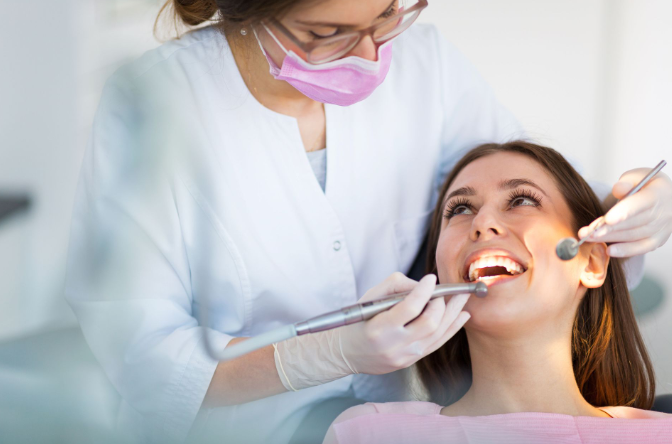
You might be feeling a bit pulled in two directions. Part of you knows you should focus on healthy teeth and gums, and another part quietly wishes your smile looked brighter, straighter, or simply more “you” again. When you visit a dentist in Buffalo Grove, IL, you may even wonder if wanting cosmetic treatment is vain, or if it somehow distracts from the real goal, which is long term oral health.end
Because of this tension, you might feel stuck. You go in for cleanings, maybe deal with a cavity or two, but you put off asking about whitening, veneers, or bonding. Or you do the opposite. You chase a whiter smile with quick fixes and skip regular checkups. Neither approach feels quite right.
Here is the quiet truth that often gets lost. Preventive general care and cosmetic dentistry are not enemies. When done thoughtfully, they support each other. A healthy mouth gives cosmetic work a strong foundation, and cosmetic improvements often motivate you to protect that health for years.
So where does that leave you? In a place with more options than you think. You can work with a family and cosmetic dentist who protects your oral health first, then uses cosmetic tools to help your smile reflect how you want to feel when you look in the mirror.
Why healthy teeth and a confident smile belong in the same plan
It usually starts with something small. A chipped front tooth in a family photo. Stains that no whitening toothpaste ever seems to touch. Crowding that makes flossing hard and keeps showing up as “areas of concern” during your checkup. You walk out of the office thinking, “I guess my teeth are fine,” but they do not feel fine to you.
At the same time, you hear constant reminders about brushing, flossing, and cleanings. Public health experts repeat the basics for a reason. Consistent brushing with fluoride toothpaste, daily flossing, and regular dental visits reduce your risk of decay and gum disease. You can see this in simple guidance from the Centers for Disease Control and Prevention on oral health tips for adults.
So the problem is not that preventive care is unimportant. The problem is that it often ignores how you feel when you smile. When you do not like your teeth, you may avoid photos, hide your mouth when you laugh, or hold back in conversations. This is not just cosmetic. It affects confidence, relationships, even job interviews.
Because you feel self conscious, you might start to “check out” from preventive care altogether. You tell yourself, “They are already a mess, what is the point,” which is exactly how small problems turn into more serious ones.
This is where a thoughtful approach to cosmetic and preventive dental care can shift things. When your dentist addresses both health and appearance, you stop seeing them as competing priorities. A simple example is stain removal and whitening. A professional cleaning removes tartar that you can never brush away, which protects your gums. Then whitening can safely brighten the enamel, which makes you want to keep up with brushing and checkups.
See also; Cyber Security HK: Protecting Your Digital Assets
How cosmetic dentistry can actually protect your long term oral health
You might wonder how something that seems “optional,” like veneers or bonding, could possibly help with prevention. It depends on how it is planned and why it is done.
Consider a few common “what if” situations.
What if you have small chips, worn edges, or uneven enamel on your front teeth. Bonding or veneers can restore proper shape, which improves how your teeth meet when you bite. A more even bite spreads chewing forces, which can reduce the risk of future cracks or excessive wear.
What if your teeth are so crowded that flossing is frustrating and painful. Orthodontic treatment, sometimes combined with cosmetic reshaping, can create space so you can clean properly. Straighter teeth are not just about looks. They are easier to brush and floss, which lowers your risk of cavities and gum disease.
What if you have old discolored fillings in front teeth. Replacing them with modern tooth colored materials improves appearance, but it also allows the dentist to check for new decay, seal tiny gaps, and strengthen the tooth structure.
Even something as simple as professional whitening, when done on a healthy mouth, can reinforce good habits. Many people report that after whitening they are more careful with staining drinks, more consistent with brushing, and more motivated to keep up with cleanings, because they want to protect their investment.
The key difference is sequence and intention. General care focuses on preventing and treating disease. Cosmetic care is layered on once teeth and gums are stable. Academic centers, like Columbia University’s dental clinics, describe cosmetic services as part of a broader care plan that includes diagnosis and prevention. You can see examples of this integrated approach in their overview of cosmetic dentistry services.
When your dentist thinks this way, smile enhancement with general dentistry becomes a single, thoughtful strategy, not two competing agendas.
Comparing “just cleaning” with a combined cosmetic and preventive plan
You may be wondering what actually changes when you move from basic checkups to a coordinated plan that includes both prevention and cosmetic care. The differences are often practical and emotional, not just clinical.
| Approach | What it usually looks like | Short term impact | Long term impact |
|---|---|---|---|
| General care only | Cleanings, X rays, fillings as needed. Little discussion about appearance unless you ask. | Teeth are healthy enough, but you may still feel self conscious about color, shape, or alignment. | You stay out of major trouble if you are consistent, but you might skip visits because you are unhappy with your smile. |
| Cosmetic only, minimal prevention | Whitening kits, online aligners, or quick-fix treatments with little or no exam. | Possible fast visual change, but issues like decay or gum disease may go unnoticed. | Higher risk of problems under the surface. Cosmetic work may fail sooner if the foundation is weak. |
| Integrated preventive and cosmetic plan | Thorough exam, cleaning, and home care review, followed by tailored cosmetic options once health is stable. | Improved comfort and function, plus a smile that feels more like you. | Better chance of keeping teeth, gums, and cosmetic work in good shape, with stronger motivation to maintain habits. |
When you see it side by side, you can understand why “just whitening” or “just cleanings” often leave you unsatisfied. You either protect health and ignore confidence, or chase confidence and risk your health. A family and cosmetic dentist can help you avoid that split.
Three practical steps you can take right now
1. Get clear on your goals before your next appointment
Before you visit your dentist, write down two simple lists. On the first list, note any health concerns. Bleeding gums. Sensitivity. Food getting stuck. On the second list, write what bothers you about how your teeth look. Color. Shape. Crowding. Gaps. Bringing both lists to your dentist signals that you care about more than “just a cleaning,” and it helps them design a plan that respects both health and appearance.
2. Ask for a preventive “checklist” tailored to you
Most people hear the same advice, even though their risks are different. Ask your dentist or hygienist to walk you through a personal home care plan. For example, they may recommend a specific fluoride toothpaste, interdental brushes for tight spaces, or a nightguard if you grind your teeth and are considering cosmetic work. For a simple overview of good daily habits, you can also read the National Institute of Dental and Craniofacial Research guide to oral hygiene basics, then discuss any questions at your visit.
3. Explore cosmetic options only after a full exam
If you are thinking about whitening, veneers, or other cosmetic treatments, start with a complete exam and cleaning if you have not had one recently. Ask your dentist to explain which cosmetic options fit your current oral health, your budget, and how much maintenance you are comfortable with. A thoughtful dentist will fix active problems first, then map out cosmetic steps in a way that protects your long term health.
Bringing it all together for a smile that feels like yours again
You do not have to choose between strong, healthy teeth and a smile you are proud to share. When preventive general care and cosmetic dentistry are planned together, they can support each other. Healthy gums and teeth give cosmetic work a stable base. Cosmetic improvements, in turn, give you a reason to protect that health.
If you are feeling unsure or even a bit embarrassed about asking for cosmetic changes, that is completely normal. You are not asking for something shallow. You are asking to feel comfortable in your own skin, while still doing the right thing for your long term oral health.
The next step is simple. Bring your questions, your worries, and your wish list to a dentist who understands both family care and cosmetic options. Ask them to help you build a plan that starts with prevention, then thoughtfully adds the cosmetic touches that match your life. You deserve a smile that is not only healthy, but also feels like you.