Vehicle and baggage screening helps security teams examine people’s belongings and transport without relying on visual checks alone. The right equipment, clear images and a well-planned workflow can support careful inspections while keeping busy checkpoints moving.
Screening starts before vehicles reach the checkpoint
Vehicle screening works best when it is part of the checkpoint plan, rather than an isolated inspection step. Traffic flow, available space, vehicle types and the level of security required all affect where and how scanning takes place.
At ports, border crossings, airports and other facilities, vehicle inspection equipment can include fixed, relocatable, mobile or movable systems. These options suit different sites: a permanent installation may serve a high-volume entry point, while a mobile unit can support temporary operations or changing needs.
Choosing the right scanning setup
The appropriate setup depends on what a facility needs to inspect and how vehicles move through the site. Systems may be designed for trucks and cargo containers, passenger vehicles, rail vehicles or air freight. Some configurations combine X-ray imaging with backscatter, while others add features such as under-vehicle surveillance or code recognition.
Before selecting equipment, teams should consider throughput, available space, staffing, integration with existing procedures and the types of threats they need to assess. Technical specifications and performance should be checked against the facility’s operational and regulatory requirements.
See also: Top Technology Trends Revolutionizing Student Life in Australian Universities (2026 Guide)
Scanners reveal what a visual check can miss
A visual inspection can identify obvious concerns, but it cannot show every object concealed inside a vehicle, container or package. X-ray and other imaging technologies give trained operators another source of information, helping them decide whether an item or area needs closer attention.
Scanning does not replace sound procedures or human judgment. It supports them by making hidden contents visible for review. Clear protocols help staff respond consistently when an image raises a concern, including deciding when to conduct a secondary inspection.
Baggage screening balances speed with careful inspection
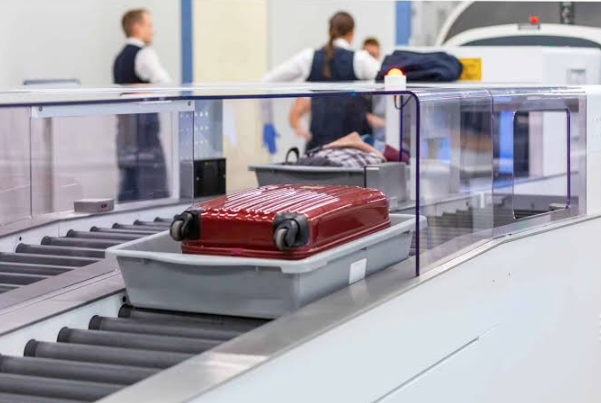
Airports and other busy facilities need to screen baggage without creating unnecessary delays. A x ray scanner baggage system may use single-view or multi-view imaging, while CT systems can provide three-dimensional views that help operators examine the contents of a bag.
Different applications call for different equipment. Cabin baggage, checked luggage, oversized items and palletized cargo vary in size and handling requirements. Facilities may also consider mobile systems when screening needs are temporary or when equipment must serve more than one location.
Clear images help teams make confident decisions
Image quality matters because operators need to distinguish ordinary contents from items that warrant further inspection. Dual-energy imaging, multiple views and CT can provide additional information, depending on the system and application. The value of these features depends on how well they suit the items being screened and the decisions staff must make.
Training is just as important as the technology. Operators need clear procedures, practice interpreting images and guidance on when to escalate a case. Automated image-analysis tools may support detection, but they should be used within a process that defines how alerts are reviewed.
Smart workflows keep checkpoints moving smoothly
Equipment alone does not determine how quickly a checkpoint operates. Layout, queue management, staff coordination and clear handoffs all influence throughput. A well-designed process directs vehicles and bags to the correct screening point and gives teams a consistent way to handle exceptions.
Facilities should assess a system in the context of their own workload, space and security procedures. Comparing operating requirements, maintenance needs, integration options and independently verifiable performance information can help teams choose equipment that fits the site and supports reliable screening.