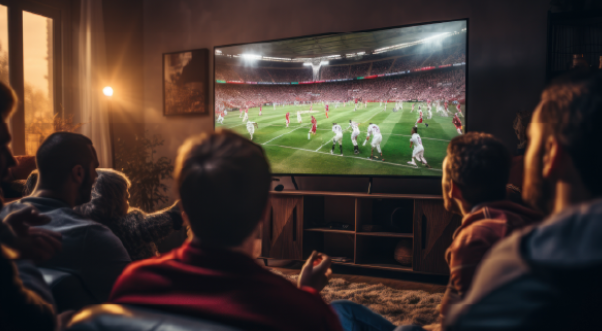
Linear TV is not gone. It is changing. Many people still watch live shows, sports, news, and events on regular TV channels. At the same time, advertisers now expect more control, better data, and faster campaign setup.
This creates a new future for linear TV advertising. It is no longer only about large brands buying broad ad slots. Modern tools are making TV easier to plan, buy, and measure.
Exploring the Future of Linear TV Advertising means looking at how old TV strengths can work with new digital tools. Brands want the reach of TV, but they also want the speed and insight of online advertising.
What Linear TV Advertising Means Today
Linear TV advertising means ads shown during scheduled TV programming. Viewers watch content at a set time on a TV channel. This can include news, live sports, drama shows, reality shows, and special events.
For many years, linear TV was one of the most powerful ad channels. It helped brands reach large groups of people at once. Even today, it still builds trust and awareness.
But the way advertisers use it is changing. Brands now want more flexible buying options. They want to understand who saw their ads and how those ads helped the campaign.
This is where modern Self-Serve Marketing tools can help. They make it easier for advertisers to access TV campaigns without slow and complex steps.
The goal is simple. Advertisers want TV to be easier, faster, and more useful for modern business needs.
Why Linear TV Still Matters
Some people think streaming has replaced linear TV. That is not fully true. Linear TV still has value because it reaches viewers during trusted and shared moments.
Live events are a strong example. Sports, breaking news, award shows, and national events can bring many people together at the same time. This creates a big chance for brands to be seen.
Linear TV also works well for brand building. A TV ad can make a company feel more known and trusted. When people see a brand on TV, they may take it more seriously.
Here are a few reasons linear TV still matters:
- It can reach large audiences
- It supports brand trust
- It works well for live events
- It can support local markets
- It gives brands a strong screen presence
For many advertisers, the best plan is not TV or digital. It is TV and digital working together.
How Technology Is Changing Linear TV Advertising
The future of linear TV advertising will be shaped by better tools. These tools can make planning, buying, and reporting much easier.
Advertisers now want to know more than where an ad ran. They want to know how it performed. They want to compare TV results with website visits, search activity, and sales.
New technology can help with:
- Audience planning
- Smarter media buying
- Budget control
- Local targeting
- Campaign reporting
- Creative testing
This does not mean linear TV will become the same as digital ads. It still has its own role. But it can become more data-friendly and easier to manage.
Small and mid-size brands may benefit the most. In the past, TV advertising could feel too expensive or too hard to access. Modern platforms can lower that barrier.
A local business may be able to run a focused TV campaign in selected markets. A growing brand may test TV before spending more. This makes TV less risky and more practical.
The Role of Creative in the Future of TV Ads
Even with better tools, creative still matters most. A poor message will not work just because the media plan is smart. Viewers need to understand the ad quickly.
Future TV ads will need to be clear, short, and easy to remember. Brands should show the main benefit early and end with one clear action.
Good TV creative should:
- Show the brand name early
- Use simple words
- Focus on one key idea
- Use strong visuals
- Match the target audience
- Include a clear next step
Advertisers may also use DCO Platforms to test creative ideas and improve ad versions across video channels. This can help teams learn which message, image, or offer works best.
Creative work will become more flexible. Brands may create different versions for different regions, audiences, or seasons. A national brand can use one main message but adjust the offer for each market.
The future will reward brands that test, learn, and improve. Guessing will become less useful. Smart creative planning will matter more.
Best Practices for Future Linear TV Campaigns
Linear TV campaigns should be planned with clear goals. A brand should know what it wants before buying media.
The goal may be awareness, store visits, website traffic, app installs, or sales. Each goal needs a different plan.
Here are simple best practices:
- Start with one campaign goal
- Know the audience before buying media
- Choose the right markets and time slots
- Keep the ad message clear
- Test different creative versions
- Track results after the campaign
- Combine TV with digital channels
Brands should also connect TV ads with online actions. If the TV ad promotes a website, the landing page should be ready. If the ad shares a sale, the offer should be easy to find online.
This gives viewers a smooth path. They can see the ad, search the brand, visit the site, and take action.
FAQ
What is linear TV advertising?
Linear TV advertising means showing ads during scheduled TV programs. Viewers watch the content at a set time on a traditional TV channel.
Is linear TV advertising still useful?
Yes. Linear TV is still useful for brand awareness, live events, local reach, and trust building. It works best when combined with digital channels.
How is linear TV advertising changing?
It is becoming more flexible and data-focused. New tools help advertisers plan campaigns, control budgets, and review results more easily.
Can small businesses use linear TV ads?
Yes. Modern platforms can make TV easier for small businesses. They can test campaigns in local markets and start with focused budgets.
What makes a good linear TV ad?
A good linear TV ad has a simple message, strong visuals, clear branding, and one easy call to action. It should be quick to understand.
See also: Impact and Cut Resistant Gloves: Why Combined Protection Is the Smart Choice
Conclusion
Exploring the Future of Linear TV Advertising shows that TV is not disappearing. It is becoming smarter, more flexible, and easier to connect with digital marketing.
Linear TV still gives brands reach, trust, and strong screen impact. New tools can add better planning, faster buying, and clearer reporting.
The future will belong to advertisers who use both creativity and data. They will build clear messages, choose the right audiences, and measure results with care.
For modern brands, linear TV can still play an important role. When used with the right strategy, it can help build awareness, support action, and create stronger customer trust.