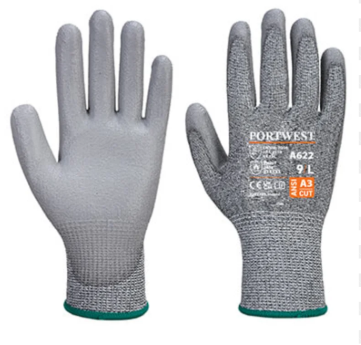
In demanding work environments, hand hazards rarely occur in isolation. Metal fabrication workers face both the cutting edges of sheet metal and the impact of dropped components. Mining workers encounter sharp rock edges and falling stones simultaneously. For these environments, impact and cut resistant gloves eliminate the need to choose between two critical forms of protection.
The Case for Combined Protection
Real-World Hazard Complexity
Laboratory-designed safety equipment is often tested against single hazard types in ideal conditions. Real workplaces are messier. The worker who gets cut by sheet metal is often also at risk of crushing injuries from the same components. Addressing both hazards with a single, well-designed glove simplifies the safety program and ensures no protection gap exists.
Combined impact and cut resistant gloves also reduce the temptation workers face to remove their gloves when the task changes — a common compliance problem when workers have to switch between different glove types for different risks.
Construction of Impact and Cut Resistant Gloves
These gloves typically combine a cut-resistant knit liner made from HPPE, Kevlar, or composite fibers with a dorsal TPR impact padding system. The liner impact and cut resistant gloves provides cut protection across the entire hand, while the TPR pads protect the highest-impact areas — knuckles, dorsal fingers, and sometimes the dorsal hand surface.
The whole assembly is often coated on the palm side with nitrile, polyurethane, or sandy latex to provide grip and additional abrasion protection. The result is a multi-layer system where each component contributes to overall performance without compromising the properties of the others.
Selecting the Right Protection Levels
When choosing combined impact and cut resistant gloves, evaluate the cut level required by your specific hazard — ANSI A2 through A9 or EN 388 Level B through F — and ensure the impact rating meets your needs, whether ANSI Level 1, 2, or 3.
Don’t assume that a higher cut level automatically comes with better impact protection or vice versa. Some high cut-level gloves use stiff materials that may actually impede the TPR padding’s ability to flex and absorb energy effectively.
Frequently Asked Questions
Q: Are combined impact and cut resistant gloves bulkier than standard gloves?
A: They are generally slightly bulkier than standard work gloves due to the TPR padding. However, modern designs are significantly more streamlined than older options, and most workers adapt quickly to the additional thickness.
Q: Can I use these gloves in cold weather environments?
A: Cold-weather versions of impact and cut resistant gloves are available with insulated liners. Verify that the insulation doesn’t compromise the glove’s cut or impact ratings when evaluating winter options.
Q: What industries most commonly use combined impact and cut resistant gloves?
A: Oil and gas, mining, heavy construction, metal fabrication, automotive manufacturing, and lumber processing are among the most common industries using these combined protection gloves.
Conclusion
Impact and cut resistant gloves represent a mature and practical response to the complex hazard profiles of heavy industry. Selecting the right combination of protection levels, liner materials, and coating types ensures workers receive comprehensive hand protection without sacrificing the fit and comfort that drives real-world compliance.