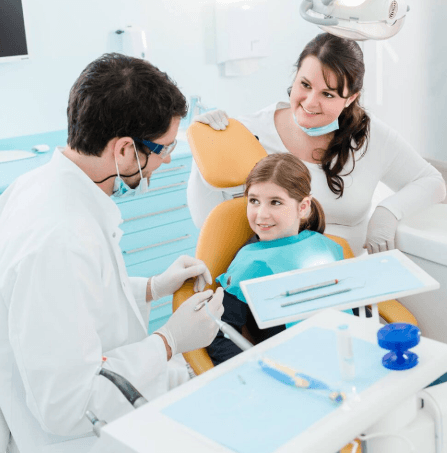
Keeping up with dental visits for one person is hard enough. Add a partner, a toddler who hates the waiting room, a teen with braces, or an older parent with changing dental needs, and the calendar starts to feel like a second job. You are not imagining the stress. Multiple offices, different records, separate insurance questions, and appointment times that never line up can wear people down fast. One way to simplify everything is to maintain healthy teeth with routine dental care in Marietta.
That is why many families look for one provider who can care for everyone in the same practice. A family dentist can make routine care easier, but the real value goes deeper than convenience. When one office understands your household’s history, habits, and concerns, care often becomes more consistent, more personal, and easier to keep up with over time.
One Family Dental Office Simplifies a Busy Life
Most people do not skip dental care because they do not care. They skip it because life piles up. School pickup runs late. Work meetings get moved. One child needs a cleaning, another needs sealants, and an adult in the house keeps putting off tooth pain because there is no time to call yet another office.
Choosing a provider who sees children, teens, adults, and often older adults cuts down on that friction. You can often book back to back appointments, manage fewer reminders, and keep records in one place. That matters more than it sounds. Fewer moving parts means fewer missed visits, and regular exams are one of the best ways to catch small issues before they become painful or expensive. MedlinePlus explains what happens during a dental exam, including checks for cavities, gum problems, and other signs that deserve attention early.
When care is easier to schedule, people are more likely to stick with it. That is often the difference between a simple filling and a problem that turns into an infection, an extraction, or a costly emergency visit.
A Household Dentist Builds Continuity Across Every Age
Dental needs change with age, but patterns often run through a household. A child may inherit a higher risk for cavities. A parent may grind their teeth at night. A grandparent may need help managing dry mouth, gum recession, or dentures. When one practice sees the whole family, those patterns are easier to spot.
That continuity helps in practical ways. A dentist who has seen your child since early visits may notice subtle changes in bite development sooner. The American Academy of Pediatric Dentistry supports establishing a dental home early because ongoing care supports prevention, familiarity, and timely treatment. The same idea matters for adults too. Long term relationships with one office can make it easier to track gum health, changes in X rays, and habits that raise risk over time.
There is also the human side of continuity. Some people get anxious in the dental chair, and kids often read that anxiety before anyone says a word. Familiar faces, familiar routines, and a team that already knows your family can lower stress for everyone involved.
Shared Care Often Leads to Better Prevention and Health Habits
Prevention works best when it fits real life. A dentist who treats your whole household can give advice that matches the way your family actually lives. If your child snacks often after sports, your teen drinks too many sugary coffees, and an adult in the house is dealing with bleeding gums, one office can connect those habits instead of treating each person in isolation.
This is where a dentist for the whole family can be especially helpful. The message stays consistent. Brushing, flossing, fluoride use, diet, and follow up care are reinforced in one place instead of getting scattered across different providers with different systems. The CDC shares practical oral health tips for adults, including brushing with fluoride toothpaste, cleaning between teeth, and avoiding tobacco. Those same prevention habits influence the health culture of the entire household.
Children notice what adults do. If parents keep regular cleanings, kids are more likely to see dental visits as normal. If one person starts taking gum disease seriously, others in the house often follow. Over time, that shared momentum can improve attendance, daily habits, and early treatment.
One Dental Practice Can Reduce Surprise Costs and Last Minute Problems
Dental costs become harder to manage when problems are found late. That is true whether the issue is a child with untreated decay or an adult who ignored sensitivity until a root canal was the only option left. A family practice does not erase costs, but it can lower the chance that small problems slip through the cracks.
When one office tracks routine visits for the household, recalls are easier to manage, insurance details are often easier to confirm, and treatment plans can be discussed with the full picture in mind. You are less likely to get blindsided by multiple overdue issues discovered all at once.
| Situation | Separate Dental Offices | One Family Practice |
|---|---|---|
| Scheduling | Multiple calls, portals, and appointment dates | Often easier to group visits on the same day |
| Records and history | Scattered across providers | Stored in one place with shared family context |
| Prevention follow through | Advice may feel disconnected | Consistent guidance for the whole household |
| Dental anxiety | New staff and settings for different family members | Familiar team can help lower stress |
| Risk of delayed care | Higher when logistics become too hard | Lower when care feels manageable |
Simple Steps Help You Choose the Right Family Dentist
Look at age range and services. Not every practice that uses the term family care truly treats every stage of life. Ask whether they regularly see young children, teens, adults, and older patients. If someone in your home has braces, gum issues, or dental anxiety, ask how the office handles those needs.
Ask about scheduling and communication. Convenience is not a small perk. It is often the reason families stay on track with care. Find out whether the office offers grouped appointments, reminder systems, and clear treatment estimates. A good family dental care setup should make your life easier, not more complicated.
Pay attention to how the office makes people feel. This matters more than the furniture in the waiting room. Notice whether staff speak clearly, listen without rushing, and explain care in a way that makes sense. If a child is nervous or an adult feels embarrassed about delayed care, kindness and patience go a long way.
Choosing One Dentist for the Household Supports Long Term Care
If your family has been juggling separate dental offices, feeling behind, or putting off appointments because the logistics are exhausting, you are not failing. The system is simply harder than it needs to be. Choosing one dentist who treats the whole household can bring order to the chaos, support better habits, and make regular care feel possible again.
Start by making a short list of local offices, ask practical questions, and choose a practice that fits your family’s real life. Good dental care should feel steady, clear, and manageable.