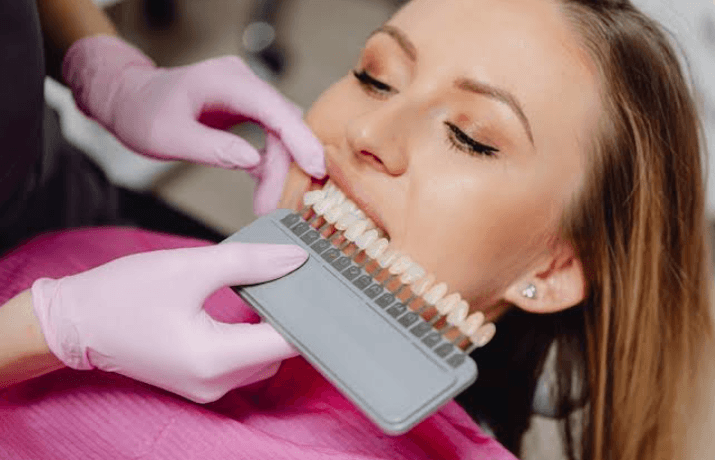
You might already know the feeling. You want a smile that looks better, but you also do not want to ignore what keeps your teeth and gums healthy in the first place. That tension is real, because it can seem like you have to choose between appearance and protection, when in truth the best dental care, especially when guided by a family dentist in Ann Arbor, MI, often brings both together. If you have been wondering whether cosmetic treatments are only about looks, the short answer is no. In many cases, cosmetic work can support habits, repairs, and early care that help you avoid bigger problems later.
That is where 4 Ways Cosmetic Dentistry Complements Preventive Dentistry becomes more than a catchy idea. It is a practical way to think about oral health. When done thoughtfully, cosmetic care can make it easier to clean your teeth, encourage you to keep up with regular visits, restore damaged areas before they worsen, and help your bite work more evenly. Preventive care still matters most, of course, but cosmetic treatment can strengthen that foundation.
Why does cosmetic dentistry matter if preventive care is already the goal?
Preventive dentistry is about stopping trouble before it starts. That includes cleanings, exams, fluoride, X-rays when needed, and guidance on brushing and flossing. According to the CDC’s oral health resources, oral health is closely tied to your overall health, which is one reason routine care matters so much. Still, life happens. Teeth stain, edges chip, fillings wear down, and alignment issues can create spots that trap plaque. So, where does that leave you?
It leaves you with a fuller picture. Cosmetic treatment is often seen as optional, but many procedures can also remove barriers to better daily care. A smooth, properly shaped tooth is easier to clean than one with a rough edge. Closing certain gaps or correcting crowding can reduce places where food and bacteria collect. Replacing old dental work with stronger, more natural-looking materials can protect a tooth while improving its appearance. In other words, cosmetic and preventive dentistry often work side by side.
How can a better-looking smile lead to better daily habits?
The first connection is simple and human. When you feel better about your smile, you often take better care of it. That may sound emotional rather than clinical, but it matters. If you have ever hidden your teeth in photos or felt embarrassed during a dental visit, you know how easy it is to postpone care. Whitening, bonding, or reshaping can give you a result you want to protect, and that can make brushing, flossing, and checkups feel more worth the effort.
This is one of the quieter benefits of cosmetic dental care. It can change behavior. A patient who invests in veneers or whitening may be more likely to cut back on staining drinks, wear a night guard, and return for regular cleanings. Those choices support preventive care in a lasting way.
Can cosmetic treatment actually help prevent decay and gum problems?
Yes, in the right cases it can. That is the second way these services connect. Teeth that are cracked, uneven, or crowded can be harder to clean well. Plaque tends to settle into rough surfaces and tight spaces, and once that becomes a pattern, cavities and gum irritation can follow. Cosmetic bonding, enamel shaping, or clear aligner treatment may improve the shape and spacing of teeth, which can make home care more effective.
The third connection is restoration. A worn or chipped tooth may begin as a cosmetic concern, but if left alone, it can become a structural one. A crown, veneer, or bonding treatment can seal and support the tooth before the damage grows. Research from the NIH on oral health continues to show how prevention and early treatment help reduce the burden of dental disease. Fixing a small issue now is often easier than treating pain, infection, or tooth loss later.
See also: How CPAs Use Analytics To Improve Business Forecasting
What does the overlap between cosmetic and preventive dentistry look like in real life?
Sometimes the overlap is clearer when you see it side by side. A treatment may begin with appearance, but the ripple effect often reaches comfort, hygiene, and long-term protection.
| Treatment | Cosmetic Benefit | Preventive Benefit | Real Life Example |
|---|---|---|---|
| Teeth whitening | Brighter smile | Can motivate better brushing and regular cleanings | You whiten your teeth, then become more consistent with cleanings to maintain the result |
| Bonding | Repairs chips and uneven edges | Smooths surfaces that can trap plaque and protects exposed areas | A small chip is sealed before it turns into a deeper crack |
| Clear aligners | Straighter teeth | Can reduce crowding that makes flossing difficult | You can finally clean between teeth that used to overlap |
| Veneers or crowns | Improves shape and color | Strengthens weakened teeth and restores function | An old worn tooth is restored before more damage develops |
The fourth connection is bite balance. When certain teeth hit too hard or wear unevenly, you can end up with chips, jaw strain, or gum recession over time. Cosmetic reshaping or restorative work can help distribute pressure more evenly. That may protect both the treated tooth and the surrounding teeth.
What can you do right now if you want both a healthier and more attractive smile?
1. Start with a full dental exam.
If you are thinking about improving your smile, begin with the health side first. Ask about cavities, gum health, old fillings, grinding, and bite issues before choosing cosmetic treatment. That helps you avoid covering a problem that still needs care.
2. Ask which cosmetic options also improve function.
Not every treatment serves both goals in the same way. Some mainly change color, while others also protect weak spots or improve cleaning access. Ask which options support long-term oral health, not just appearance.
3. Build a maintenance plan you can actually keep.
The best results last when your routine is realistic. That may mean a softer toothbrush, better flossing tools, fewer staining foods, or more regular cleanings. Small habits protect both your investment and your health.
Could the right general and cosmetic dentist help you protect more than your smile?
Yes, because good care is rarely about choosing one goal over another. A thoughtful general and cosmetic dentist looks at the full picture: how your smile looks, how your teeth function, and what will help you stay healthy over time. If you have been putting off treatment because it felt too cosmetic or not necessary enough, it may help to see it differently. In many cases, improving your smile can also support the daily prevention that keeps bigger problems away.
You do not have to figure it all out at once. Start with a conversation, ask what is affecting your oral health now, and find out which treatments may give you both confidence and protection. That next step can be simple, and it can make a real difference.