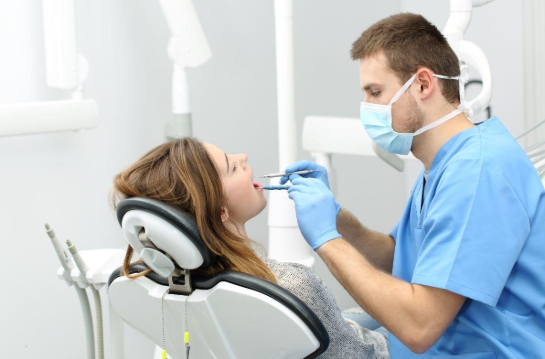
You might not think much about your teeth when nothing hurts, and that is often how problems quietly grow. At Clermont family dental care, a small area of wear, a bit of gum swelling, or a filling that no longer fits quite right can seem easy to ignore until one day chewing feels different, cold water stings, or a tooth shifts in a way you did not expect. That change from feeling fine to feeling worried can happen fast, and it often leaves you wondering what could have been caught sooner.
That is where routine care matters. Why routine monitoring improves dental stability comes down to something simple. Small changes are easier to manage than large ones. When a family dentist keeps track of your teeth and gums over time, problems can be spotted early, treatment can stay smaller, and your bite can remain more steady. If you have been putting off a visit, you are not alone, but regular checkups can protect both comfort and cost.
Why can small dental changes lead to bigger stability problems?
Teeth do not exist on their own. They work as a system with your gums, jaw, bite, and habits. If one tooth cracks, one filling wears down, or gum disease begins to weaken support around a tooth, the rest of your mouth often starts compensating. You may chew more on one side. You may clench without noticing. You may even feel headaches or jaw tightness before you connect the dots.
Because of that, dental stability is not only about keeping teeth in place. It is also about maintaining balance. A routine dental exam can help track this balance by checking for decay, gum changes, bite issues, and wear patterns before they become harder to fix. MedlinePlus explains what is usually reviewed during a dental exam, and that kind of monitoring gives your dentist a baseline to compare over time.
So, what happens when monitoring does not happen? A tiny cavity can turn into a root canal. Mild gingivitis can move toward bone loss. A child whose teeth are erupting unevenly may miss the window for simpler guidance. An adult with grinding may slowly flatten teeth until the bite no longer feels stable. None of this is meant to scare you. It is meant to show how often dental problems begin quietly.
See also: Top Technology Trends Revolutionizing Student Life in Australian Universities (2026 Guide)
How does regular dental follow up support long term oral health?
When people hear about checkups, they often think only about cleanings. Cleanings matter, but regular dental follow up does more than remove plaque. It creates a record. Your dentist can compare gum measurements, watch old restorations, note changes in spacing, and see whether inflammation is improving or getting worse. That kind of tracking is what helps protect long term stability.
The Centers for Disease Control and Prevention notes that oral health affects eating, speaking, smiling, and overall well being. You can read more from the CDC about oral health and how it connects to daily life. In plain terms, when your mouth is stable, life feels easier. You eat without thinking about pain. You sleep better. You worry less about sudden dental bills.
There is also a family angle here. A family dentist can monitor children, teens, adults, and older adults through different stages of life. A child may need sealants and cavity checks. A teen may need bite monitoring. An adult may need checks for gum recession or stress grinding. An older adult may need close review of crowns, dry mouth, or bone support. The details change, but the reason stays the same. Stability comes from paying attention before a problem grows.
What does routine monitoring catch before it becomes expensive or painful?
Many dental issues build slowly, which is why they are easy to miss at home. You might brush well and still not see the area between two teeth where decay starts. You might floss and still not know that a tooth is taking too much pressure every time you bite. You might feel one brief twinge and assume it will pass. Sometimes it does. Sometimes it is the first sign that something is changing.
The CDC also tracks oral health indicators that help show how common dental disease can be across populations. Their page on oral health indicators is a reminder that untreated issues are not rare. They are common, and that is exactly why prevention matters.
| Routine Monitoring Finds | What It May Prevent | Why It Supports Stability |
| Early cavities | Larger decay, root canal treatment, tooth fracture | Keeps more natural tooth structure in place |
| Gum inflammation | Bone loss, loose teeth, deeper periodontal treatment | Protects the support around teeth |
| Worn fillings or crowns | Leaks, cracks, bite imbalance | Helps maintain even chewing forces |
| Teeth grinding or clenching | Jaw pain, enamel wear, chipped teeth | Reduces stress on the bite |
| Shifting teeth or bite changes | Crowding, uneven wear, chewing discomfort | Supports a more stable tooth position |
What can you do now to protect stable teeth and gums?
1. Pay attention to subtle changes. If your bite feels off, your gums bleed more often, or one tooth feels more sensitive than usual, do not brush it off. These small clues often matter more than dramatic pain, especially in the early stages.
2. Keep a steady checkup schedule. The right timing depends on your needs, but consistency matters more than waiting for symptoms. Preventive dental care works best when your dentist can compare today with six months ago, not with several years ago.
3. Ask specific questions at your next visit. Ask whether your gums are stable, whether any old dental work is wearing down, and whether your bite shows signs of stress. A generic root service mention like seeing a dentist is helpful, but asking focused questions helps you understand your own risk.
Where does that leave you if you want a healthier, steadier smile?
If you have been hoping nothing is wrong, that feeling makes sense. Dental visits can bring up worry about time, money, and what might be found. Still, waiting rarely makes a problem smaller. Routine monitoring offers something more reassuring than guesswork. It gives you a chance to catch changes early, protect comfort, and preserve the support your teeth need to stay steady over time.
Working with a family dentist can make that process feel more manageable, especially when your care is tracked across the years instead of handled only in moments of pain. If it has been a while since your last checkup, now is a good time to schedule one and get a clearer picture of your oral health.