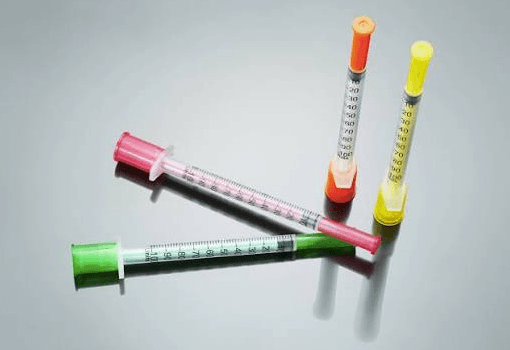
Bringing together considerations of capacity, calibration, and individual dosing requirements, selecting appropriately among available insulin syringes sizes requires a thoughtful, personalized approach rather than a one-size-fits-all assumption. This overview consolidates the key factors patients and caregivers should weigh in this selection process.
Starting With the Prescribed Dose as the Primary Factor
The most fundamental starting point for size selection involves clearly understanding the specific prescribed insulin dose, since this figure directly determines which syringe capacity can comfortably and accurately accommodate the required measurement.
Weighing Precision Needs Against Practical Capacity
For patients with very small prescribed doses, prioritizing a syringe size offering finer calibration increments may improve measurement precision, even if this means selecting a smaller total capacity than might otherwise seem convenient for potential future dose adjustments.
Considering Visual Acuity and Dexterity Factors
Patients with visual impairment or dexterity challenges may benefit from syringe sizes offering larger, more easily readable calibration markings, an individual factor worth discussing with healthcare providers alongside the primary consideration of matching capacity to prescribed dose.
Accounting for Potential Future Dose Adjustments
While current prescribed dose should drive the primary selection decision, patients anticipating potential future dose adjustments might discuss with their healthcare provider whether selecting a slightly larger capacity syringe now could provide useful flexibility, balanced against precision considerations for their current dose.
See also: How Digital Healthcare Is Reshaping the Medical Cannabis Industry in the UK
ConsistenWorking Collaboratively With Healthcare Providers
Given the clinical importance of accurate insulin dosing, this selection process works best as a collaborative conversation between patients and their healthcare provider or pharmacist, rather than an independent decision made without professional input.
Making an Informed, Personalized Selection
For patients and caregivers navigating this selection process, reviewing information on available insulin syringes sizes helps support informed, productive conversations with healthcare providers about personalized sizing decisions.
Frequently Asked Questions
What should drive the primary decision when selecting insulin syringe size? The specific prescribed insulin dose should be the primary factor, since this figure directly determines which syringe capacity can comfortably and accurately accommodate the required measurement.
Why might visual acuity or dexterity affect syringe size selection? Patients with visual impairment or dexterity challenges may benefit from syringe sizes offering larger, more easily readable calibration markings, an individual factor worth discussing with healthcare providers.
Should patients switch between different syringe sizes frequently? No, maintaining consistency in syringe size used, absent a clear clinical reason to change, helps reduce the risk of measurement confusion or errors that could arise from adapting to different calibration scales.
Final Thoughts
Selecting the appropriate insulin syringe size requires weighing prescribed dose requirements, precision needs, and individual patient factors like dexterity or visual acuity. Approaching this selection collaboratively with healthcare providers helps ensure patients use a syringe genuinely well suited to their individual diabetes management needs.