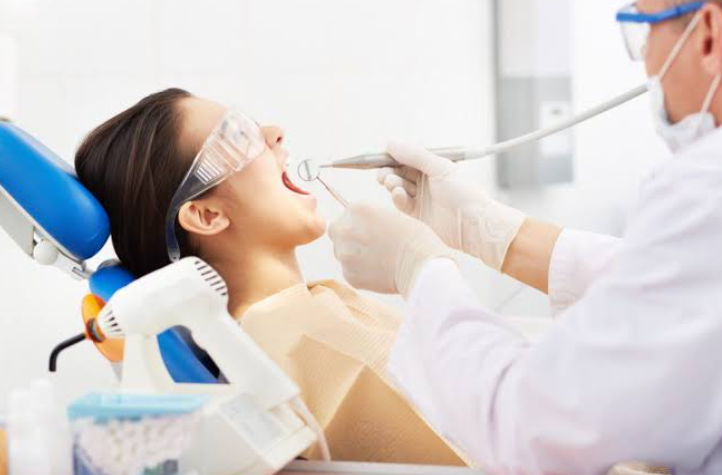
You sit down for a dental checkup expecting the usual routine, and part of you still braces for bad news, discomfort, or a surprise bill. That reaction makes sense. For a lot of people, checkups have felt rushed, vague, or limited to what a dentist could see with a mirror and an X ray. The good news is that How Advancements In General Dentistry Are Transforming Checkups is not just a catchy idea. It reflects a real shift toward earlier detection, clearer images, more precise care, and a better experience in the chair, including options like teeth whitening North Scottsdale.
Modern checkups are becoming less about waiting for a cavity to hurt and more about spotting small changes before they turn into larger problems. That matters because oral health is tied to daily comfort, eating, speaking, sleep, and overall health. The National Institute of Dental and Craniofacial Research has highlighted how data science and digital dentistry can improve dental care, and patients are starting to feel that difference during routine visits.
Digital tools are making general dentistry checkups more precise
A standard exam still includes the basics, and that part has not changed. Your dentist checks for decay, gum disease, bite issues, worn fillings, and signs of oral cancer. What has changed is the quality of the information gathered during that visit. Digital imaging, intraoral cameras, and improved record tracking give your dentist a closer look at what is happening in your mouth, often with more detail and less guesswork.
If you have ever been told to “watch” a tooth and come back later, you know how uneasy that can feel. You leave wondering whether the problem is minor or whether it will turn into a root canal. With better imaging and digital comparison over time, a general dentist can often show you exactly where enamel is weakening, where gums are receding, or how a crack is progressing. Seeing the issue for yourself tends to make the plan feel more grounded and less mysterious.
This is one reason modern dental checkups feel different from older visits. The appointment is becoming more visual, more personalized, and more focused on prevention instead of repair.
Earlier detection is changing the cost and stress of routine dental care
Small dental problems rarely stay small when they are missed. A tiny cavity can become a deeper infection. Mild gingivitis can move into gum disease. A habit like grinding can wear teeth down little by little until you start dealing with jaw pain, fractures, or sensitivity. That slow build is part of what makes dental issues so frustrating. You may not notice anything until treatment gets more expensive and more invasive.
Advances in general dentistry are helping interrupt that pattern. Better screening methods during checkups can catch trouble sooner, when treatment is often simpler and less costly. Public health research continues to support prevention as the smartest path. The CDC outlines key oral health prevention strategies, including regular dental visits, fluoride, and daily hygiene habits that reduce the risk of disease before it starts.
There is also a bigger picture here. Oral health affects much more than your teeth. According to the National Institute of Dental and Craniofacial Research, in its Oral Health in America summary, oral conditions can shape quality of life, nutrition, school and work performance, and health across the lifespan. A routine checkup is no longer just a quick look for cavities. It is part of staying functional, comfortable, and well.
Routine dental exams now offer clearer benefits than the old wait and see approach
| Checkup Approach | What It Often Looks Like | Likely Outcome |
|---|---|---|
| Traditional limited exam | Basic visual check, standard X rays, fewer tracking tools | Problems may be found, but subtle changes are easier to miss |
| Advanced routine dental exam | Digital imaging, detailed records, closer monitoring of changes over time | Earlier detection, clearer patient education, more targeted treatment |
| Skipping regular visits | Only going in when pain starts or a tooth breaks | Higher chance of larger procedures, higher costs, more stress |
The biggest shift is not flashy technology for its own sake. It is what that technology allows your dentist to do. A better image can support a better decision. Better tracking can keep a small issue from turning into a major one. Better communication can help you agree to treatment before pain forces the choice.
This matters if you have put off care because you hate surprises. It matters if you have had a confusing checkup in the past and left feeling talked at instead of informed. It also matters if you are trying to manage costs, because prevention usually gives you more control than emergency treatment does.
Three practical steps can help you get more from your next dental checkup
Ask what technology is being used. You do not need a technical explanation. Just ask whether your checkup includes digital X rays, intraoral photos, gum measurements, or other tools that help track changes over time. A clearer exam often leads to a clearer plan.
Request specific findings, not broad reassurance. If you hear that everything “looks okay,” ask whether there are early areas of wear, weak enamel, old fillings to watch, or signs of gum inflammation. Small details now can save you from a larger problem later.
Keep your visits regular, even when nothing hurts. Pain is a late signal in dentistry. Consistent exams give your dentist a baseline, and that makes it easier to catch subtle changes before they become disruptive or expensive.
See also: How CPAs Use Analytics To Improve Business Forecasting
Advancements in general dentistry are making checkups more useful and less reactive
You should not have to guess what is happening in your mouth or wait for pain to tell you something is wrong. Today’s checkups are becoming more accurate, more preventive, and easier to understand, which gives you a real chance to protect your health before problems grow. If it has been a while since your last visit, scheduling a checkup with a general dentist is a solid next step.